Building and Funding Micro-Resorts
At 24, I bought five acres of raw Texas land with money I'd saved and a dream to build a “village of cabins tucked in nature.” The project, which I called Live Oak Lake, was finished ten months later, and then sold a year after launching for $7 million. In between: an Airbnb suspension two weeks after launch, an Instagram following of 150K built from zero, and first year occupancy rates most hotel operators probably wouldn’t believe (94%, to be exact).
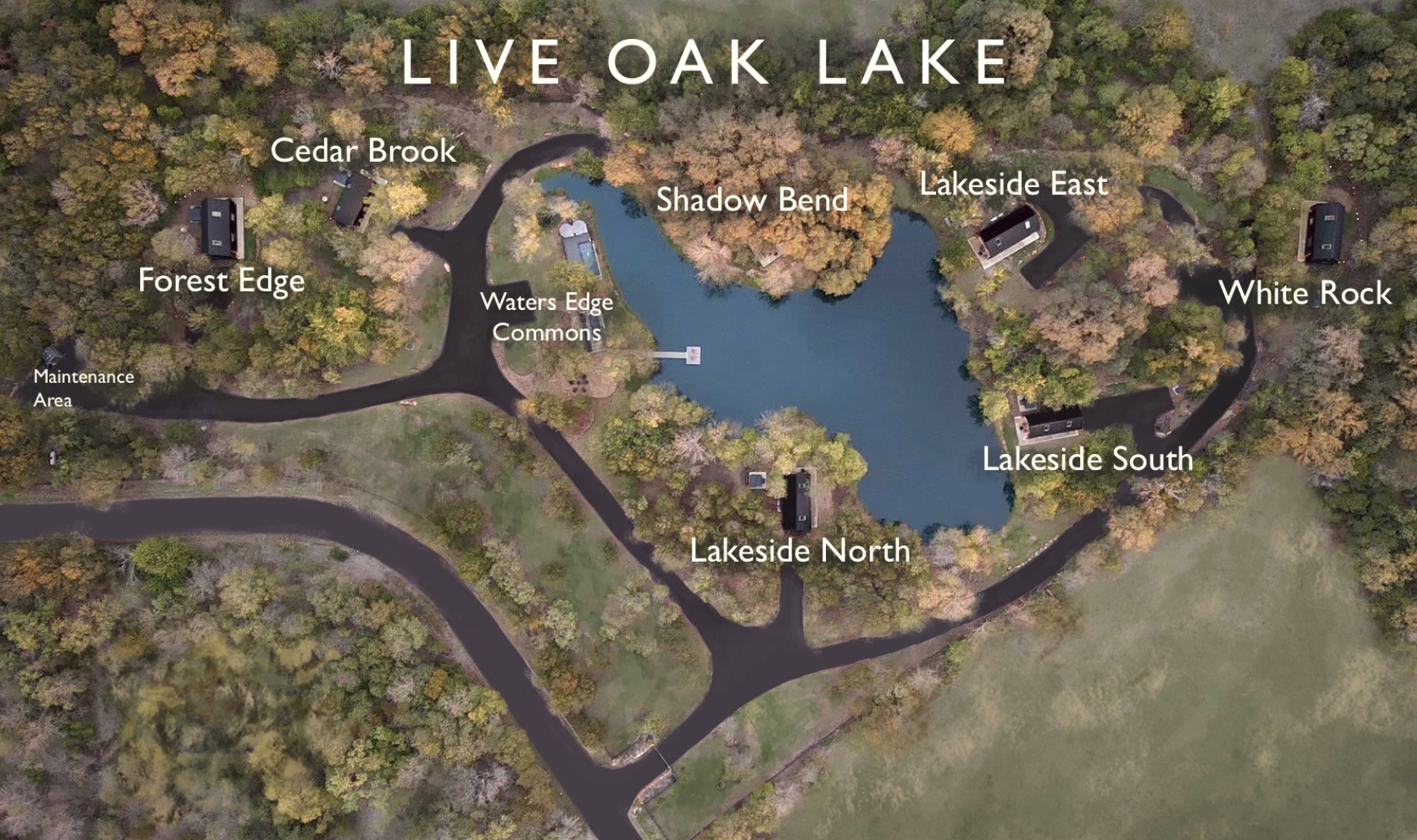
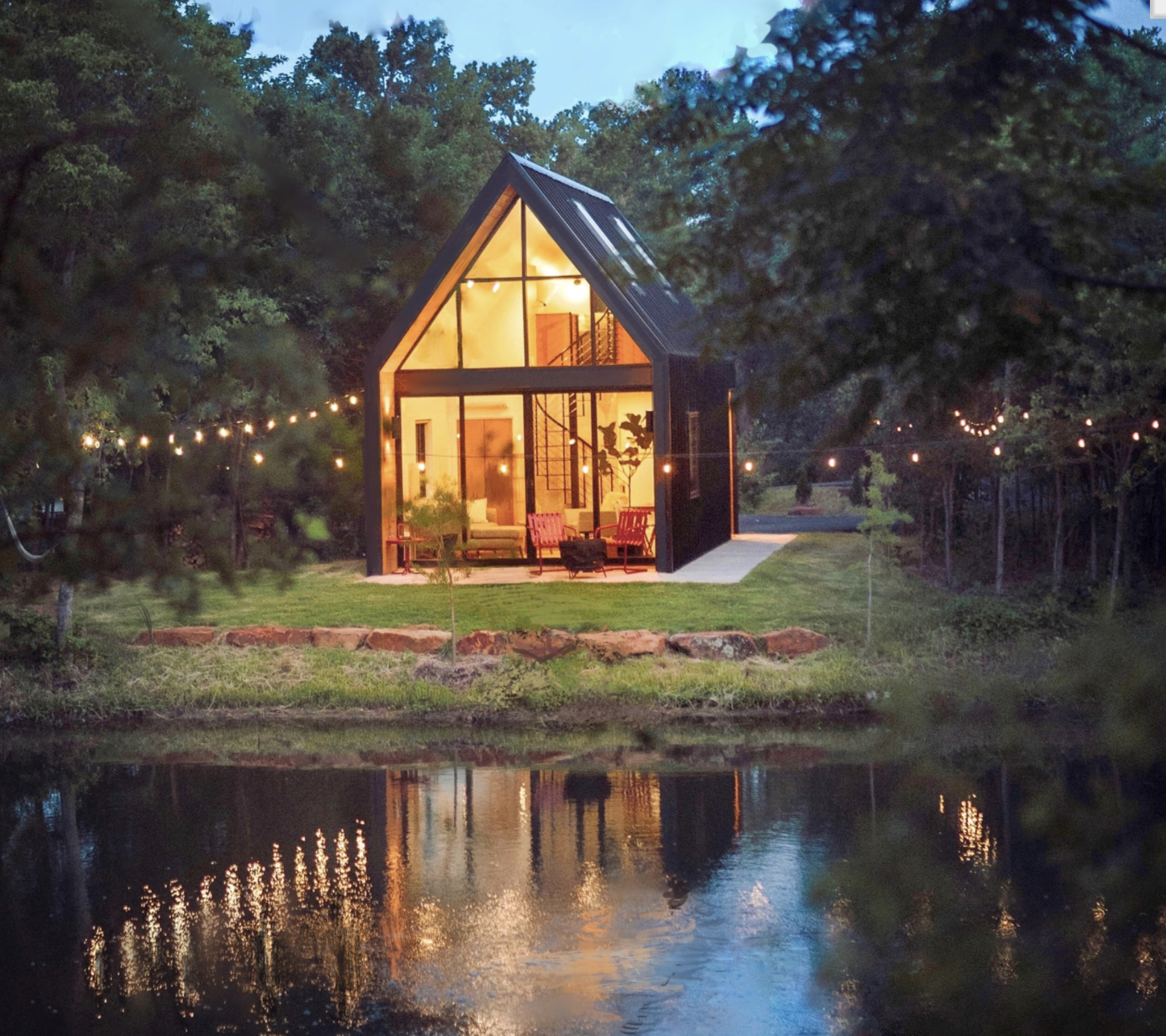
Image credit: Corey O’Connell, Isaac French, and Live Oak Lake
This essay covers what the micro-resort category has become, including:
Where micro-resorts came from and when the market crystallized
Why small key counts are a structural advantage, not a limitation
Who's building these and what the winning operators have in common
What capital structures — from rewards-based crowdfunding to GP fund vehicles — are emerging to back the next wave
Where Did This Market Come From?
The instinct to sleep somewhere interesting is not new. Glamping operations, boutique inns, and treehouse rentals have existed for decades, but they were scattered, unbranded, and mostly invisible to the broader market. There was no category, no language, no investment thesis.
Airbnb changed that, though a bit differently than how most tell it, I think.
The first act was democratization of the key bottleneck: distribution. Suddenly a homeowner with a spare room or cottage could reach millions of potential guests. Experiential lodging entered the mainstream. Travelers who'd never considered anything outside a hotel began booking yurts in Utah and A-frames in the Smokies.
The second act is less celebrated: gradual commodification. As professional property managers scaled up, the average Airbnb listing began to look more like a managed apartment or house, and less like someone's place. The soul started draining out. The story became generic.
Into that vacuum stepped a new kind of operator – not a property manager, but a builder, a storyteller, someone who bought land, had a dream, and decided to share it with strangers for a price.
COVID accelerated everything. Drive-to destinations spiked. The staycation became a fixture of American leisure. By March 2023, global spending on experiences was up 65 percent compared to 2019, while spending on things was up just 12 percent – a gap that has only widened since. The guest who'd always dreamed of a quiet weekend in the woods now had the app, the budget, and the cultural permission to book it.
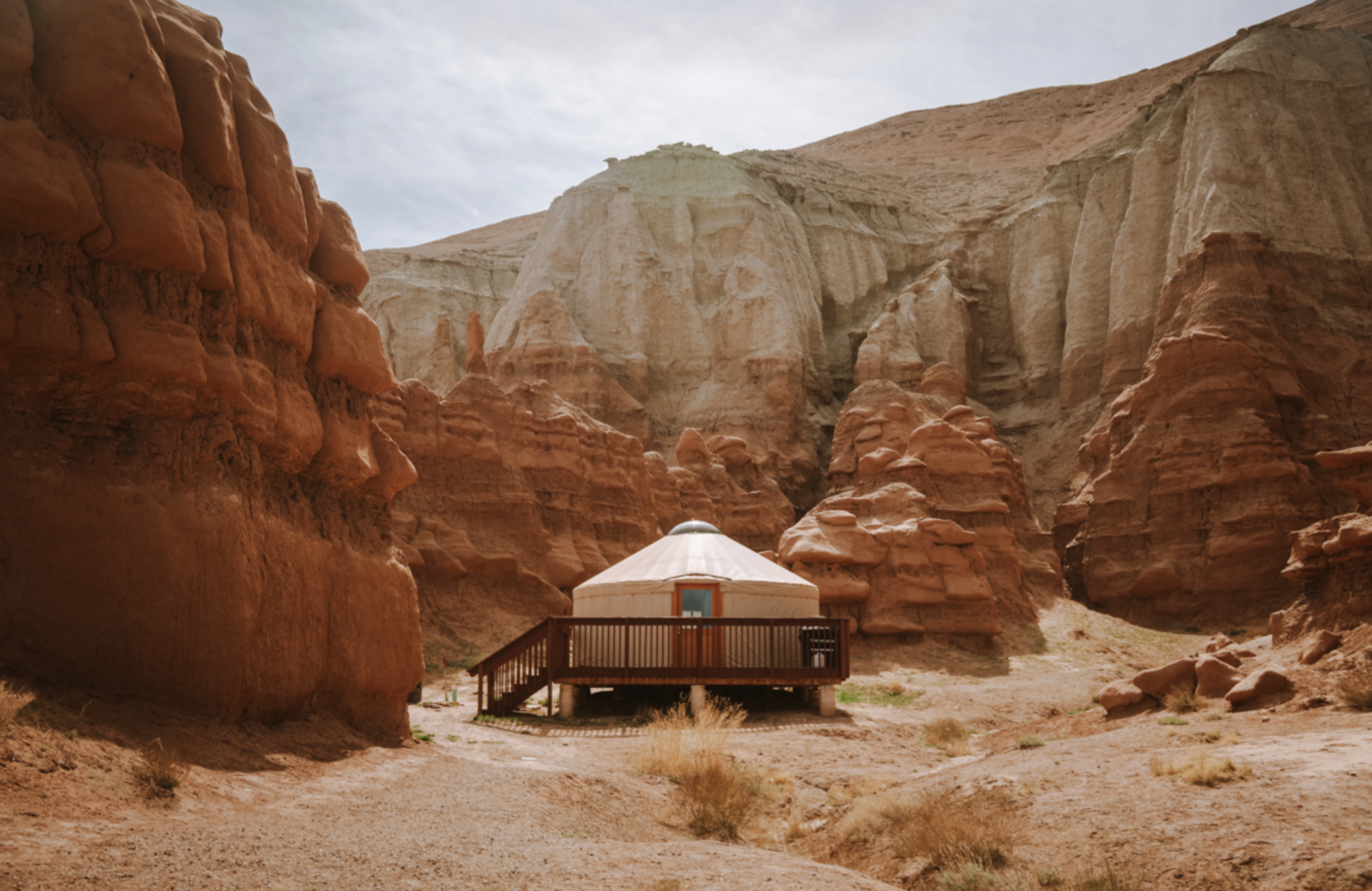
Image credit: missrover.com
A coherent category had emerged. Call it the micro-resort: a purpose-built experiential lodging property, typically 5–20 keys, founder-led, story-driven, within drive distance (usually 1–3 hours) of a major metro.
The DNA of a Winning Micro-Resort
The landscape of successful micro-resorts is still small enough to map. Bolt Farm Treehouse in Tennessee. Onera in the Texas Hill Country. Dunlap Hollow and The Cliffs at Hocking Hills in Ohio. These properties share no brand or management company, but their DNA is remarkably consistent.
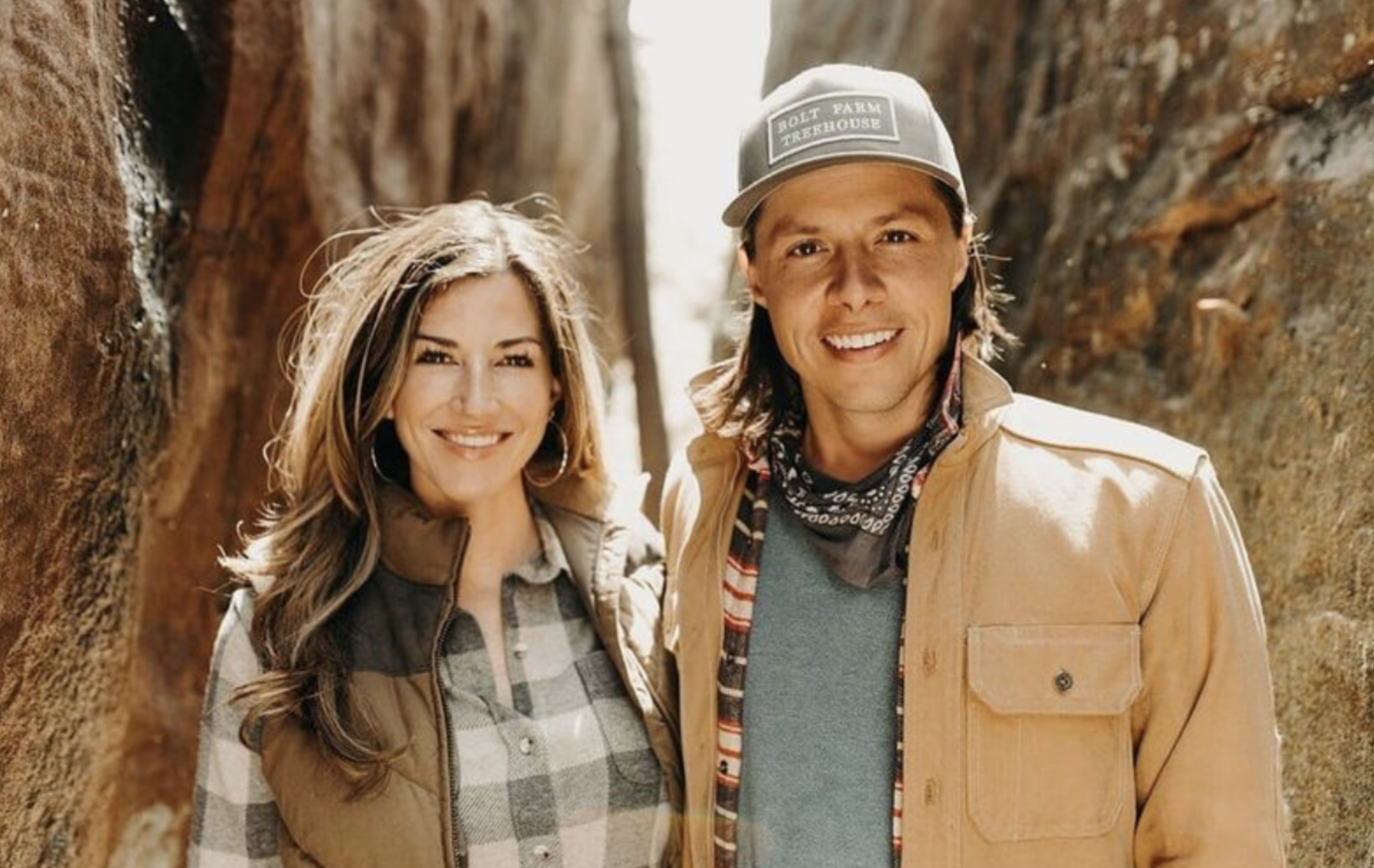
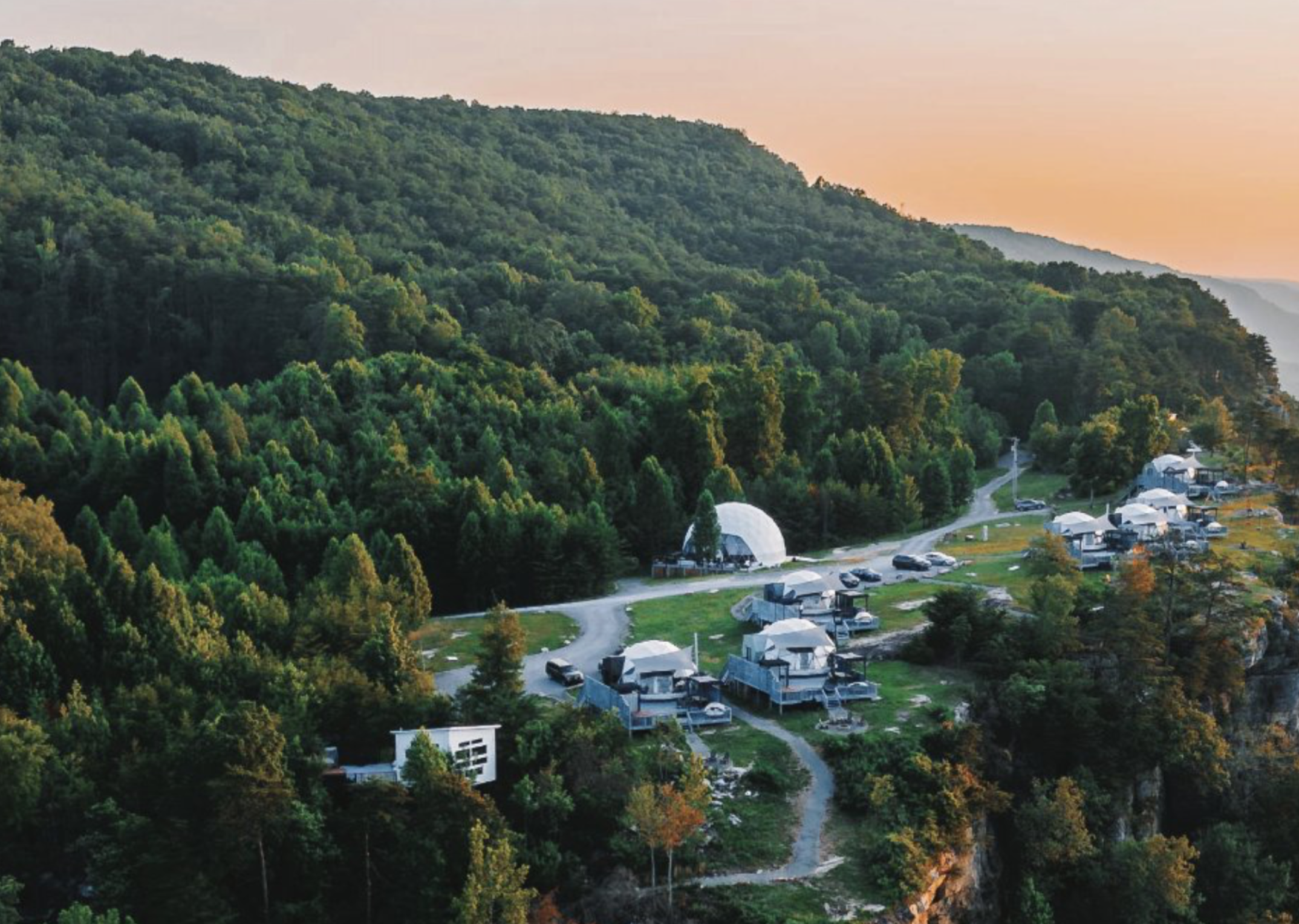
Image credit: BESTR Marketing and Bolt Farm Treehouse
The founder’s presence is strong in the property’s design and hospitality, and in the marketing. Guests don't just book a cabin, they book into a story. They know who built it, why, often even what the founder left behind to do it. That biographical thread runs through the Instagram account, the welcome letter, and maybe even the record spinning when you walk through the door.
The concept photographs – and spreads. Every successful micro-resort has a visual identity strong enough to move organically through social platforms. Not polished in a corporate way, but distinctive in a personal way. The kind of image that makes someone tag their partner and say nothing else. The industry uses terms like “Instagram-able.” I prefer “word-of-mouth-worthy,” because that’s what it really is – or isn’t.
The story is told in public, from day one. The best operators start posting before they even have the land or money. They bring followers through the fundraising, land clearing, the framing, the small disasters. By opening day the waitlist already exists. The storytelling and the business are the same operation. The brand has real equity.
Location is deliberate. A property 90 minutes from a major metro can draw from an enormous pool of two-night weekend travelers. Move it five hours out and the whole business model has to change: longer stays, bigger marketing budgets, a different guest with more time and commitment.
And there is always a reason to exist beyond comfort or convenience. The Cliffs has topography dramatic enough to justify the trip alone. Bolt Farm has treehouse architecture almost magically embedded into the top of a mountain that immediately registers as aspirational. Onera has multiple unit types hovering above a creek and through a forest with an otherworldly vibe. Nobody drives three hours for a comfortable mattress. Nature is the star of the show.
Here's the number that matters most: the occupancy math at small scale.
A 12-key property at 85% occupancy and $350/night ADR generates roughly $1.3 million in annual revenue. The operator knows the guest. Maintenance is manageable and the brand stays tight. There's no front desk, no general manager, no RevPAR consultant eating margin. Scale to 50 keys and the math still works – but the intimacy disappears, the mystique erodes, the storytelling feels institutional. The founder becomes an absentee owner with a hospitality problem. Fewer keys isn't a bug. It's the whole point.
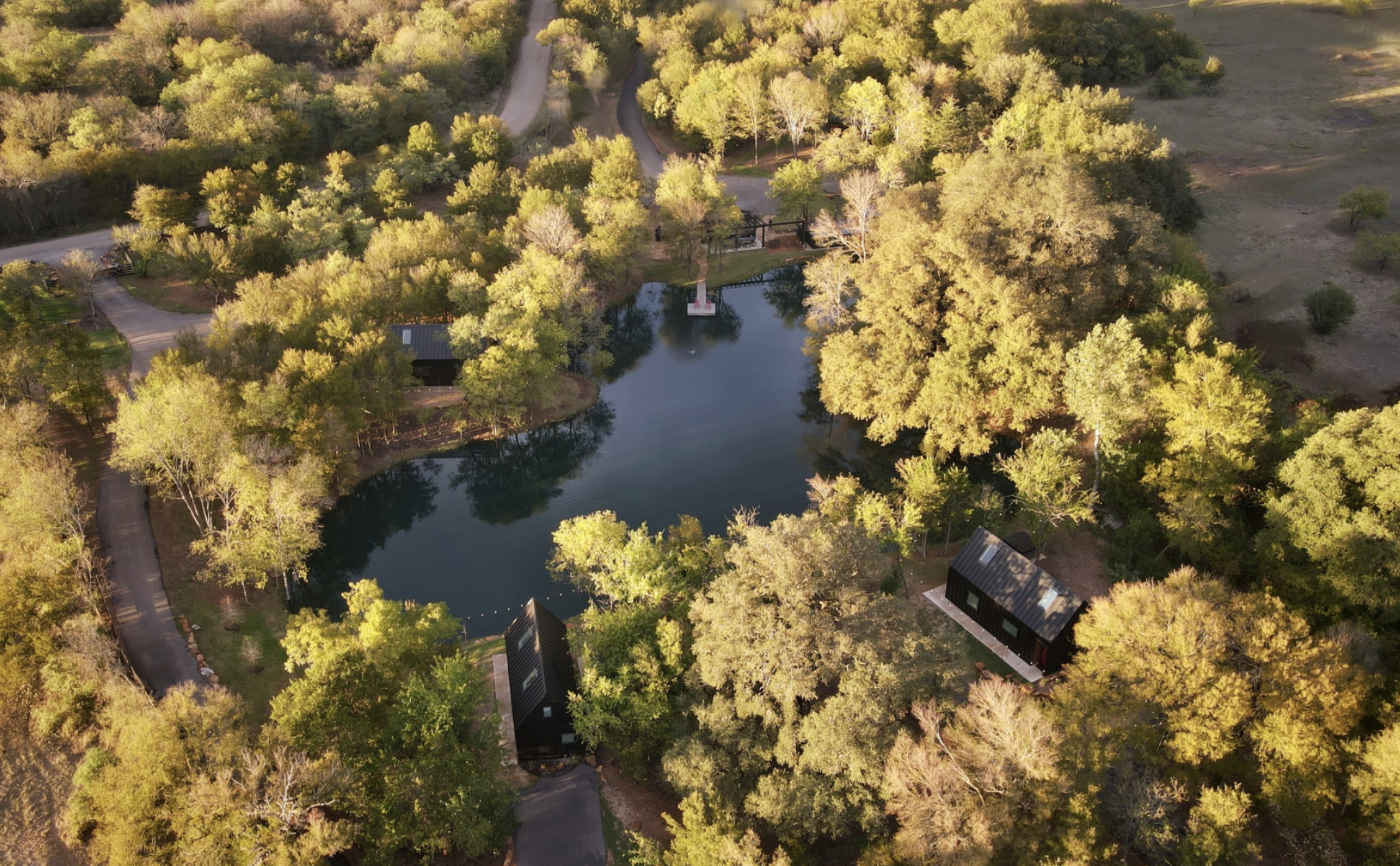
Image credit: Isaac French
The Part Nobody Likes to Talk About
This is not passive income. Hospitality is already one of the most operationally demanding businesses in real estate. Building micro-resorts add a layer: raw land, permitting in rural counties, bespoke construction where nothing is off the shelf, brand-building from zero, and guest operations that are personal by design (but less staff-dependent than you might at first imagine).
The founder-led model is a real competitive advantage, and a real liability. Burnout in this category is common and underreported. The brand is often so tied to the founder's identity that succession is genuinely difficult. Several of the most celebrated micro-resorts in the country are quietly wrestling with this right now. I can speak to it personally.
And yet the operators who sustain it share something that has nothing to do with financial sophistication: they love the work. That's a selection mechanism. The ones treating it as a yield play consistently underinvest in the things that actually drive return: the quality of materials, the thoughtfulness of guest communication, and all the little details that make a place feel cared-for. Hardware alone is never enough. The warmth, the story, the thousand tiny acts of care – that's what brings guests back again and again and builds spectacular brand equity.

Image credit: Corey O’Connell and Live Oak Lake
Creative Capital for a Creative Asset
The capital markets haven't caught up to this category. Most micro-resorts are self-funded or stitched together with SBA loans, business lines of credit, and personal savings. There's no obvious institutional home, being generally too small and operational for private equity or most family offices.
That gap is beginning to close in two interesting ways.
Rewards-based crowdfunding is one of the newest and most interesting financing tools the category has. Several operators in the experiential hospitality world have raised $400,000 to over $1 million on Indiegogo or their own sites directly in a matter of months, without giving up equity by pre-selling stays in exchange for a discount or other perks.
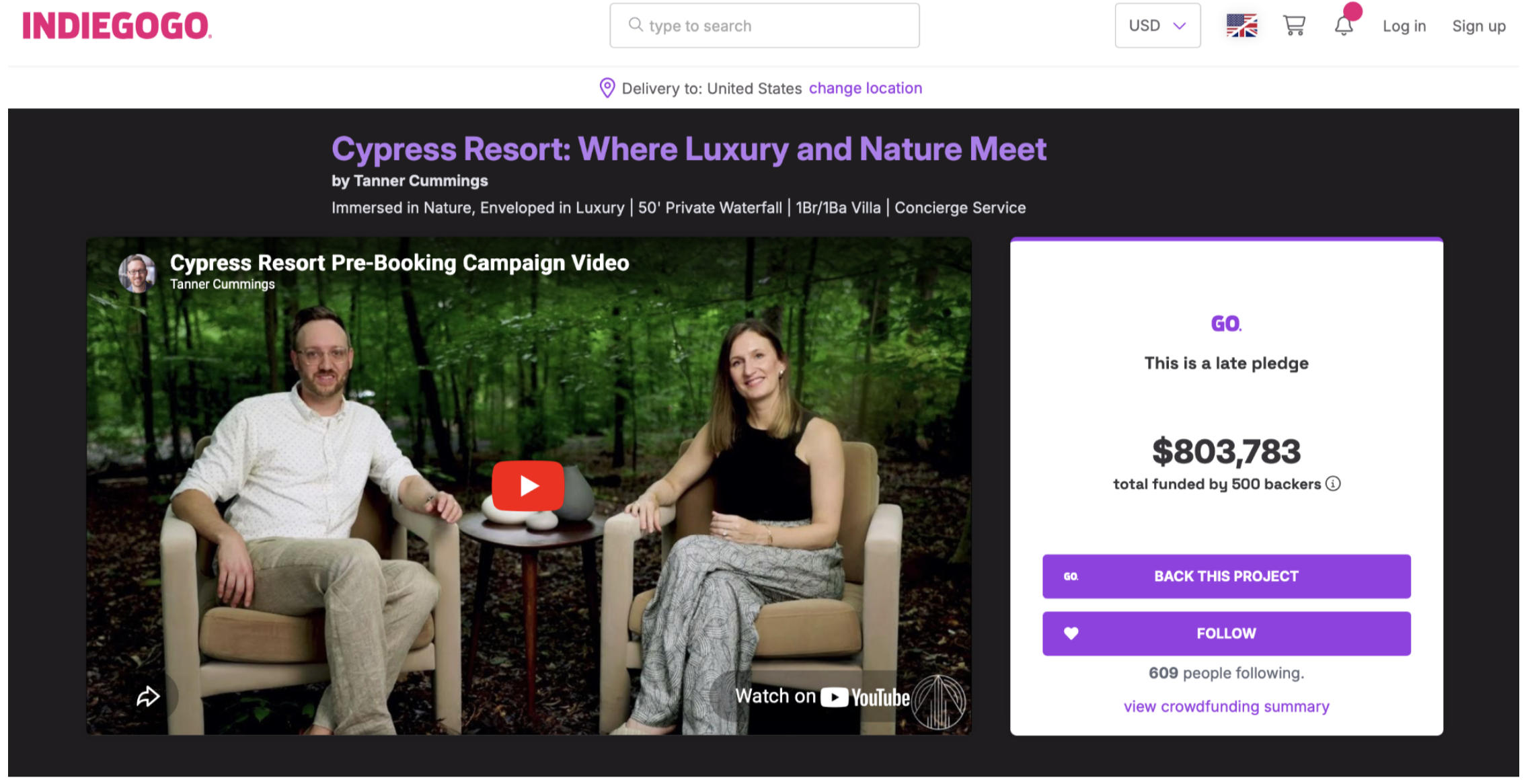
It works because the audience that dreams of building something like this is often the same audience that wants to stay there. Backers are frequently future guests. The founder's public story – the same one driving occupancy – is also the pitch. A campaign page isn't a prospectus; it's a continuation of the narrative that's already been running on Instagram for a year.
Beyond the raise itself, a well-run campaign validates demand before construction begins, generates press, and more often than not is the difference-maker in whether an up-and-coming developer is even able to secure a loan. It requires disciplined execution of a proven playbook, not just for the raise but obviously through to execution. But for someone – preferably even an “outsider” – with a compelling concept and the ability to communicate it, it's a remarkable tool.
The GP fund structure is the more institutional answer, and possibly the one that most defines the category's maturity.
The thesis: aggregate 8–15 micro-resort projects under a single GP vehicle anchored by an experienced developer-operator. Each project keeps its individual identity and operator. The fund provides shared back-office infrastructure, a pooled capital raise, and a pathway to permanent financing or exit. Individual projects are too small and too operationally complex to attract institutional capital on their own. A portfolio of them, managed under a coherent thesis, starts to look like an asset class.
The risk institutional capital typically introduces in this space is homogenization – the soul gets optimized out in pursuit of efficiency. A fund structure that preserves operator autonomy largely sidesteps that.
One version of the capital stack, properly sequenced: rewards crowdfunding to prove the concept → SBA or construction lending to build → GP fund aggregation for scale or liquidity. Sequential tools, not competing ones.
The exit market is real and developing. Live Oak Lake sold to private HNW investors. Onera was acquired by Summit Hotel Properties, a publicly-traded REIT. Under Canvas bought The Fields. Marriott bought Postcard Cabins. The institutional and corporate appetite is growing, and exit comps are growing, though still early.
None of this is without friction. Crowdfunding fails without disciplined execution of both the campaign and even more importantly the build, and a GP fund is only as good as its weakest operator.
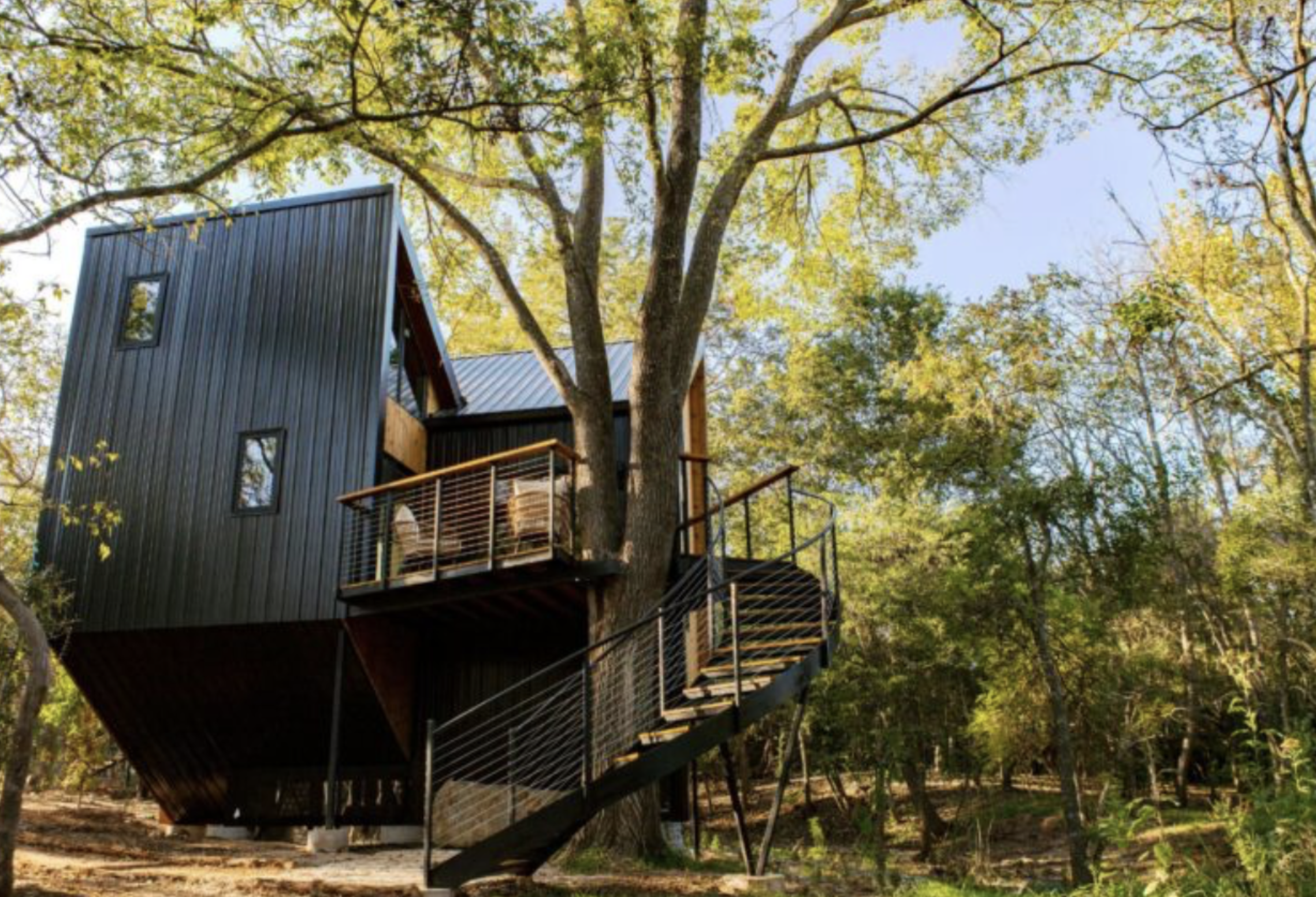
Image credit: Onera Fredericksburg
Why Now
Demand for experiential travel is not just a trend, but seems to be a clear structural shift in how people spend leisure dollars, driven by demographic cohorts still in the ascending phase of their earning curves.
The storytelling infrastructure has never been more accessible. A founder with a phone camera, a point of view, and a basic understanding of how to make a good hook and tell a 60-second story can pre-sell a property before the first cabin is built. That was virtually impossible a decade ago.
And here's the counterintuitive tailwind: AI. As generated content proliferates and algorithmic experiences flatten the digital landscape, the appetite for things genuinely made – specific places, by real people, with taste and intention – will grow. Authentic, founder-led hospitality is a natural hedge against the generic. Nature is the place people feel most alive. Micro-resorts are the portal, the platform.
The operators exist. They're building, posting, hosting, earning five-star reviews from guests who tag their friends (and come back again and again). What the category is still missing is patient capital and the financial structures to help the best of them grow.
That's the gap.
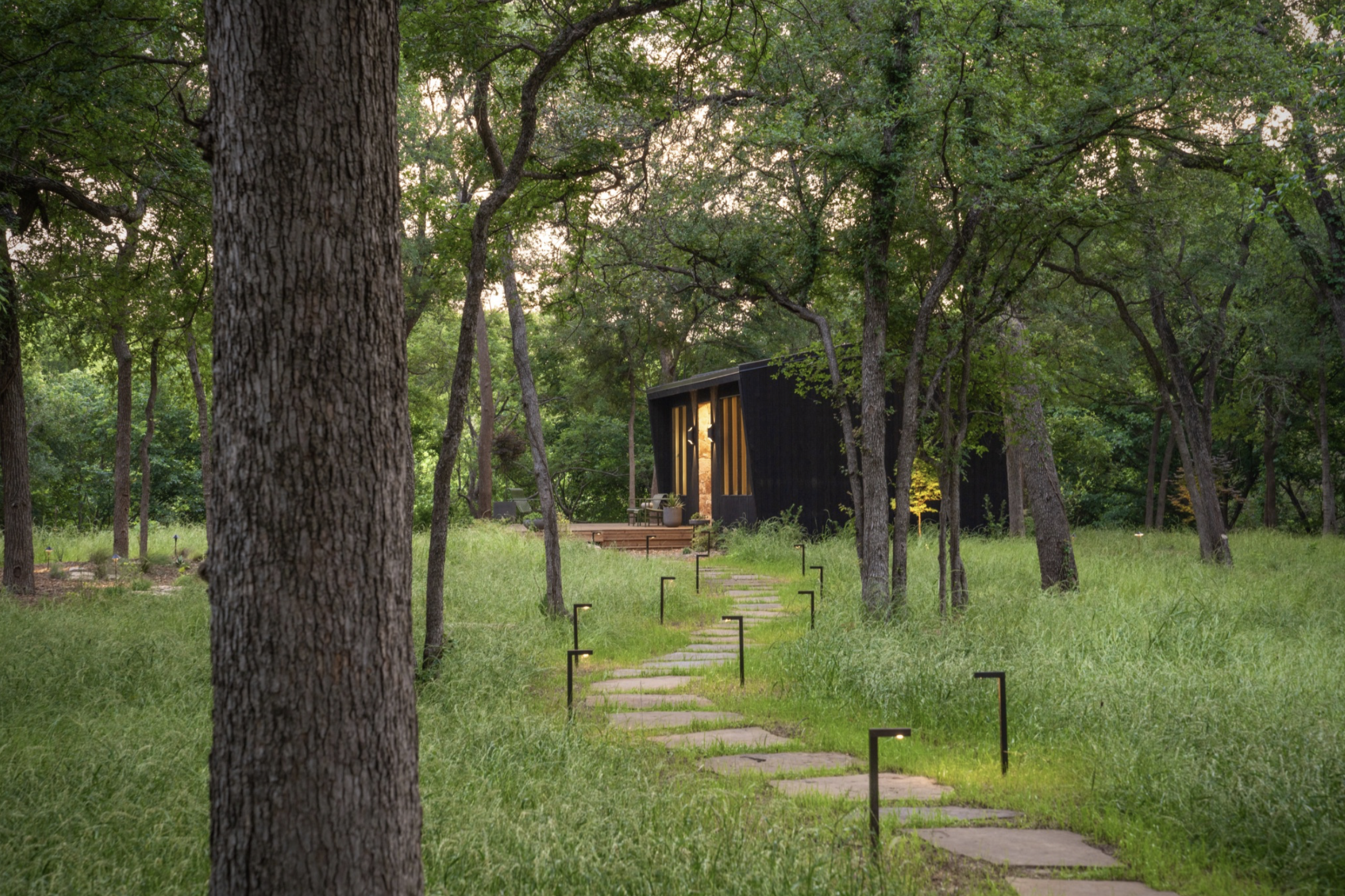
Image credit: Isaac French / The Nook, & Jeff Jones