Four Acres, $7,900
There’s a special kind of person who, everywhere they go, doesn’t see what’s there — they see what could be there. Every stone, slope, tree, just waiting to become something.
Remo Kommnick is that kind of person.
He grew up in Germany, got a good education, traveled, built an impressive early career at a handful of tech startups. And then, like a lot of people who grind hard in their twenties, found himself desperate for something he couldn't quite name.
Cabin books and van life Instagram did it. He quit his job, bought a van, built it out by hand, and found 3.8 acres of steep, rocky ground deep in the mountains of Virginia for $7,900 all-in. He parked his van there with his new bride and called it home.
But Remo was just getting started.
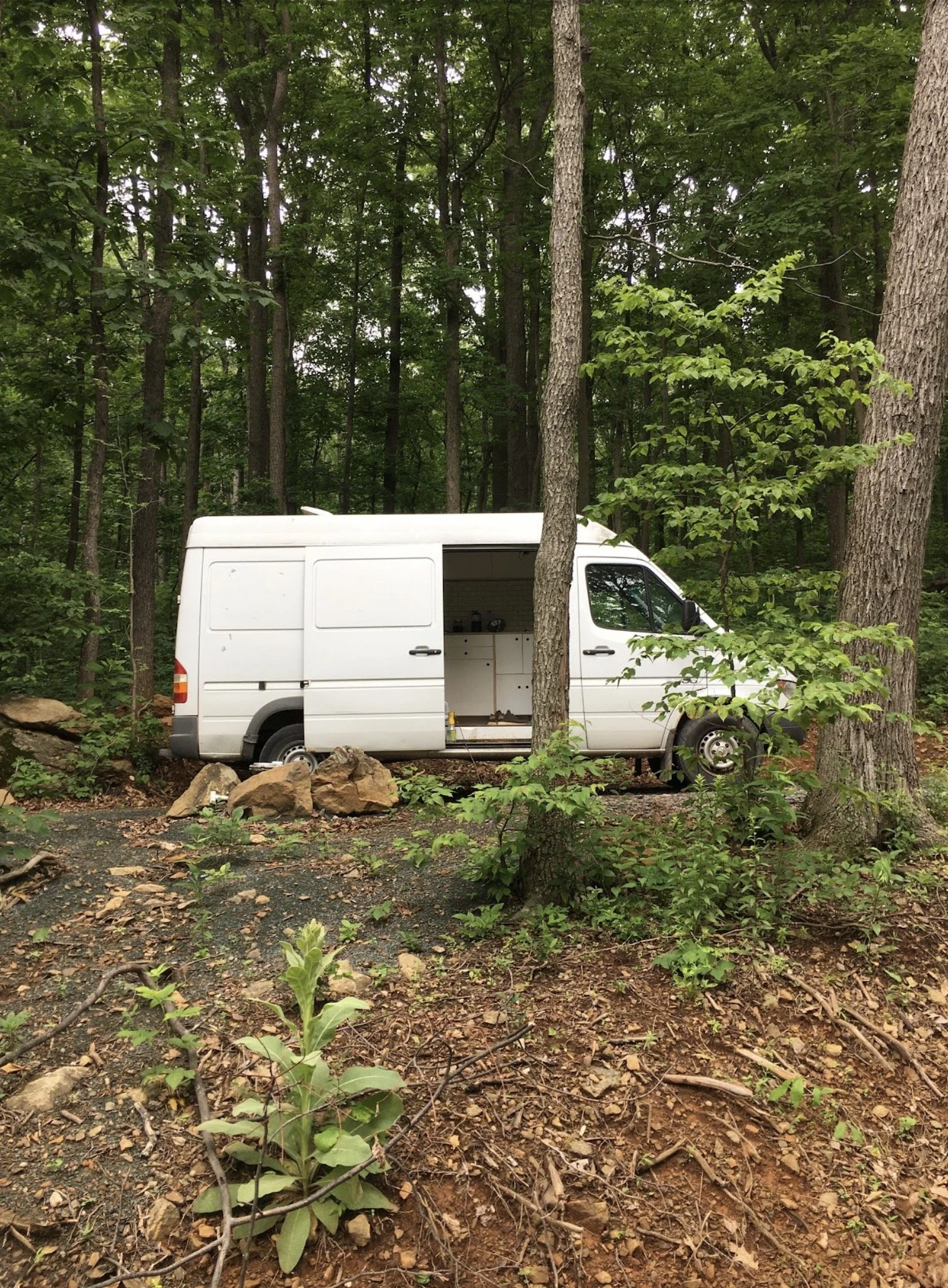
the first one
He taught himself to build watching YouTube, and he paid as he went, doing freelance work from the van to keep money coming in. Three years and $150,000 later, Doah House was done.
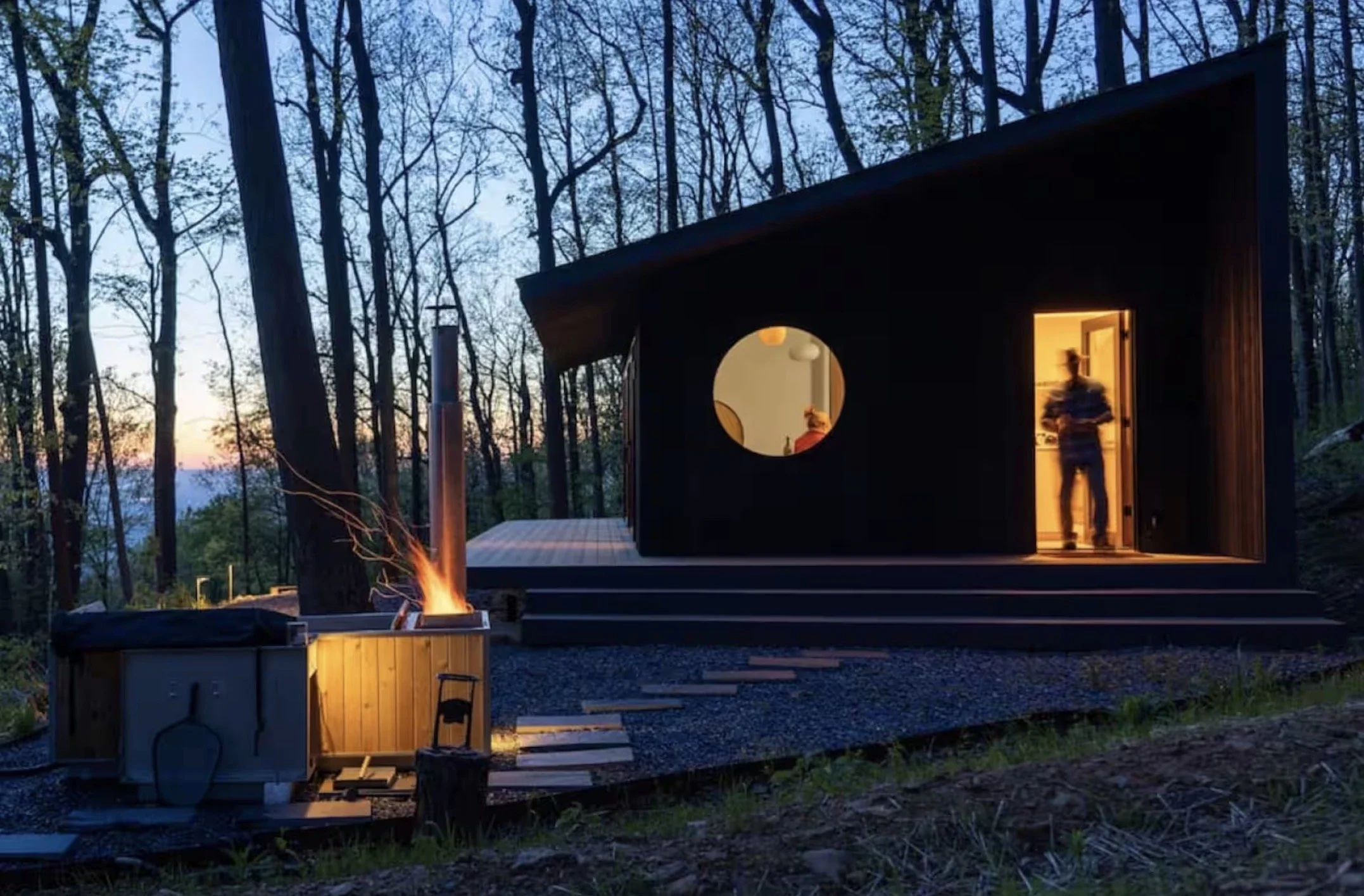
Simple, stunning, Scandinavian charm in the heart of Shenandoah.
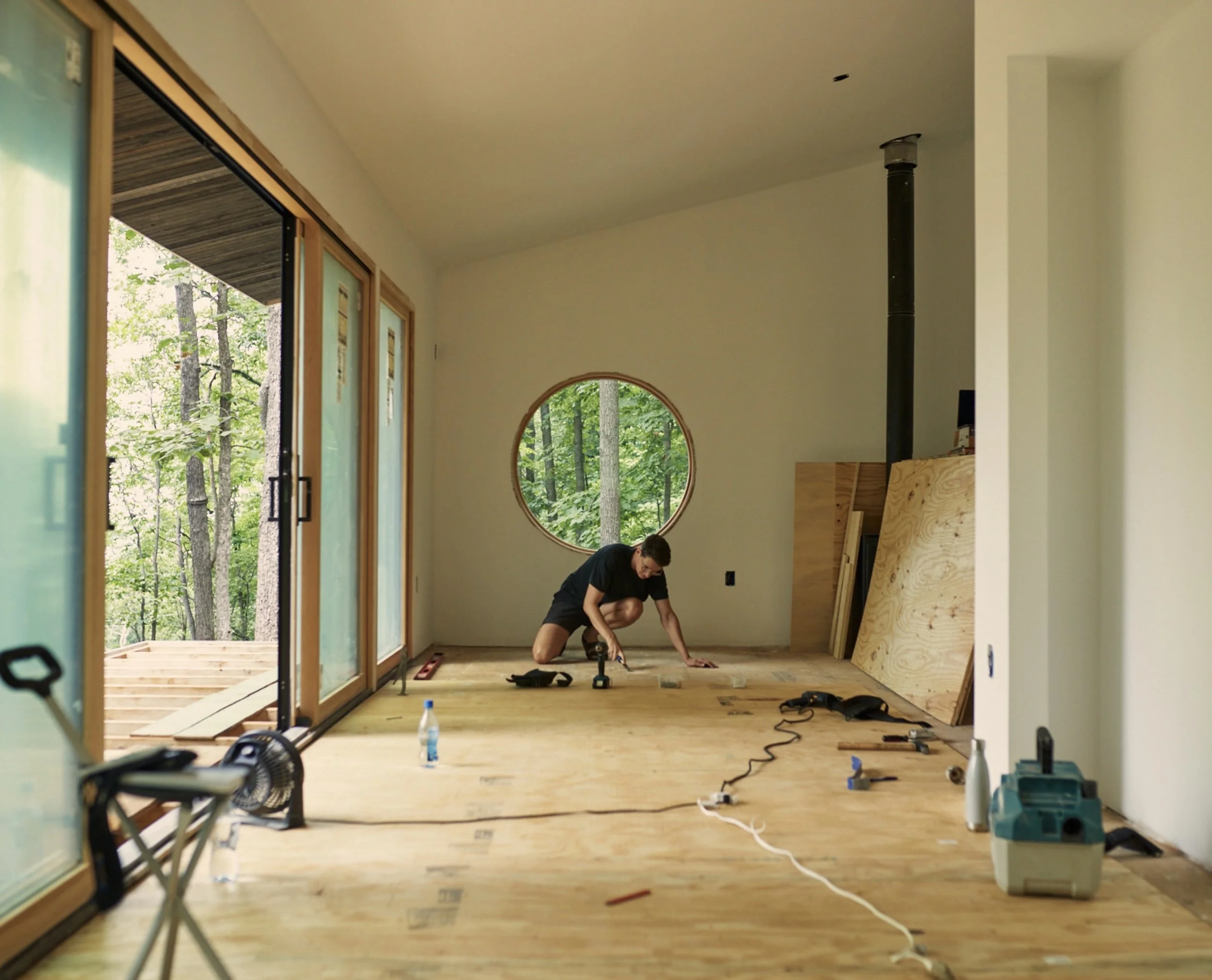
He launched on Airbnb just as the world reopened after the pandemic. Within two hours, he had his first booking. Within days, his cabin was booked solid for six months. Fast-forward nearly five years, Doah House has been booked nearly 98% of the time, averaging $350 a night. A feature in Dwell certainly didn’t hurt, either.
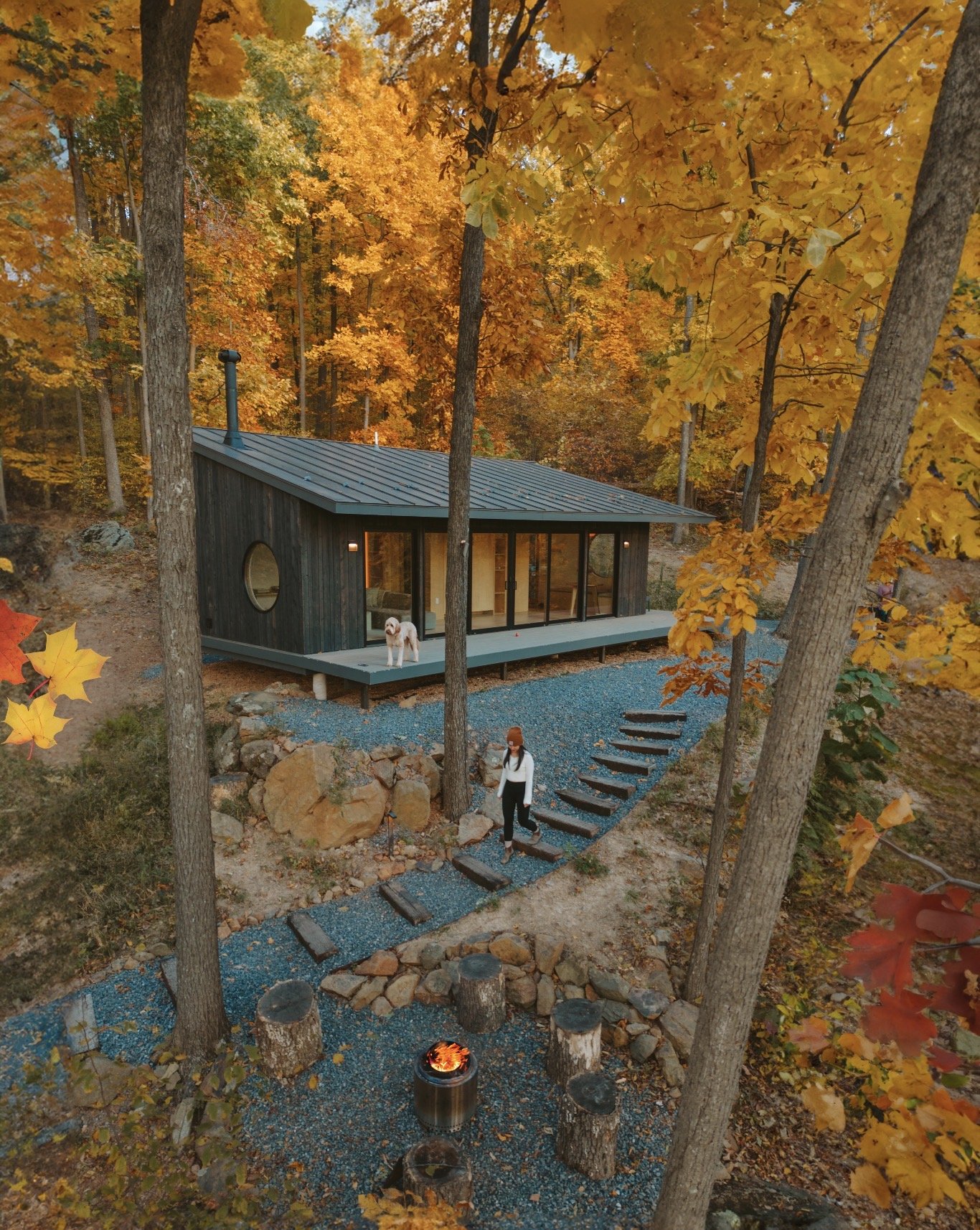
But numbers weren’t the point. This project gave Remo something harder to quantify: the discovery that he had a deep joy in bringing beautiful places to life — all the tiny details and decisions for how things should be. He wanted even more folks to experience the utter bliss of losing your worries, stress, and phone to the beauty and peace of pure nature.
He found himself asking: what if I built a few more?
as fate had it
Around this time, Remo came across an article about a guy in Texas who’d built seven cabins around a lake and was renting them out on Airbnb. He was impressed by the audacity [maybe the stupidity, I’ll admit] to build seven at once.
And so he started DM’ing me.
I ignored him for a while. I was getting a lot of messages after I’d started sharing the Live Oak Lake story, and hadn’t figured how to respond to all of them. But Remo kept at it. He wanted early access to the course I was building on how I’d built Live Oak Lake. In exchange, he offered to review and give feedback.
Finally, I stopped ignoring him. Turned out to be one of the better decisions I’ve made.
I’d never made an educational resource and didn’t really know what I was doing. From Remo’s very first review, I knew he “had it,” his critique and encouragement so sharp and precise. He was student number one of the Experiential Hospitality Masterclass.
Little did I know just who I was “teaching”…
the big dream
He found twenty-three acres near Madison, Virginia. Five separate lots owned individually by five siblings who had trouble coordinating. But the land was gorgeous. Hilly ground, heavy trees, and a year-round creek bordering the bottom edge.
Remo worked his patient magic and finally found a way to buy it.
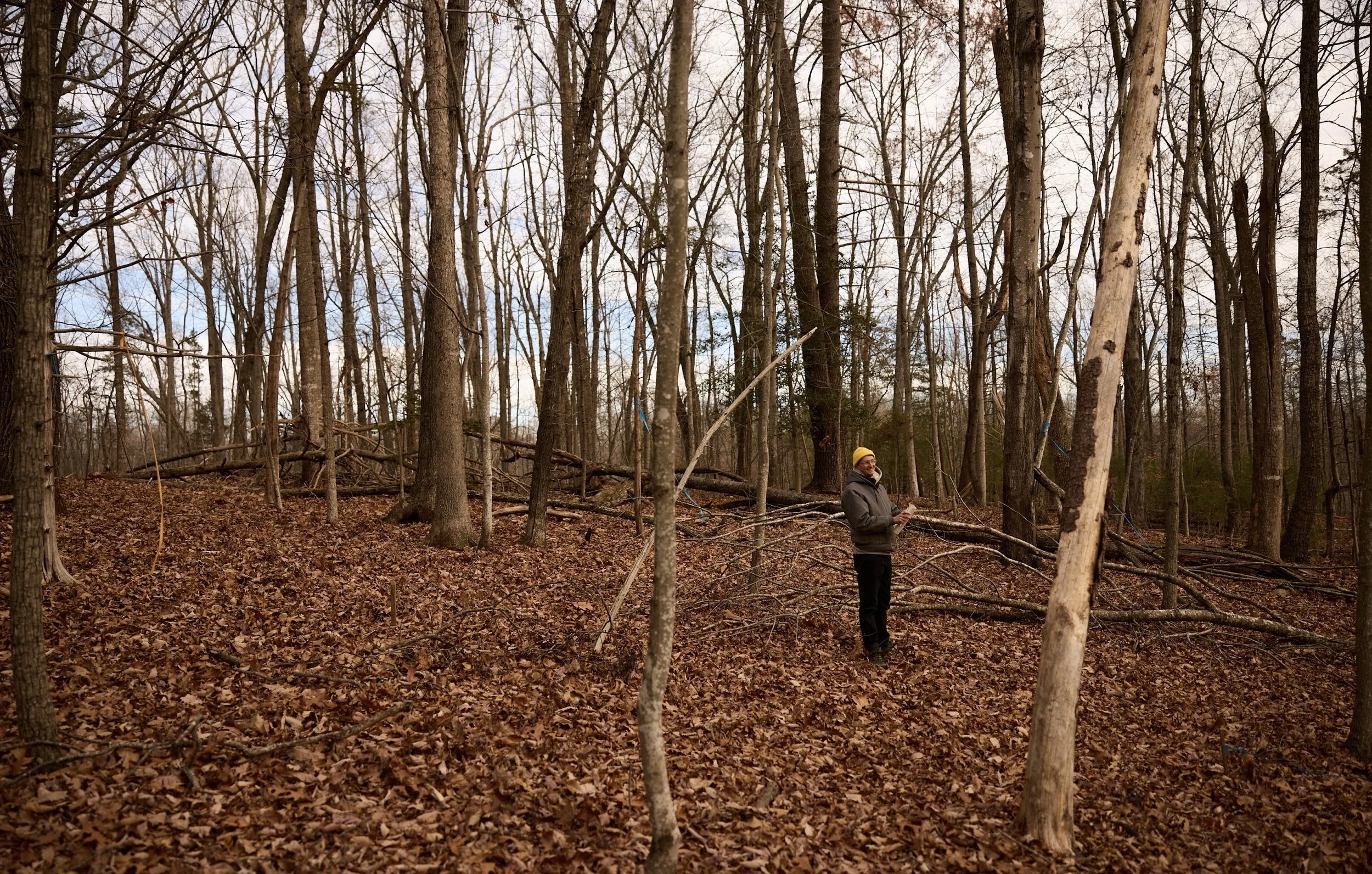
Walking the land, he mapped out five sites, generously spaced, each one harmonizing with the slope of the forest. Zoning only allowed him to build one cabin per lot, which turned a constraint into an asset in terms of privacy and seclusion.
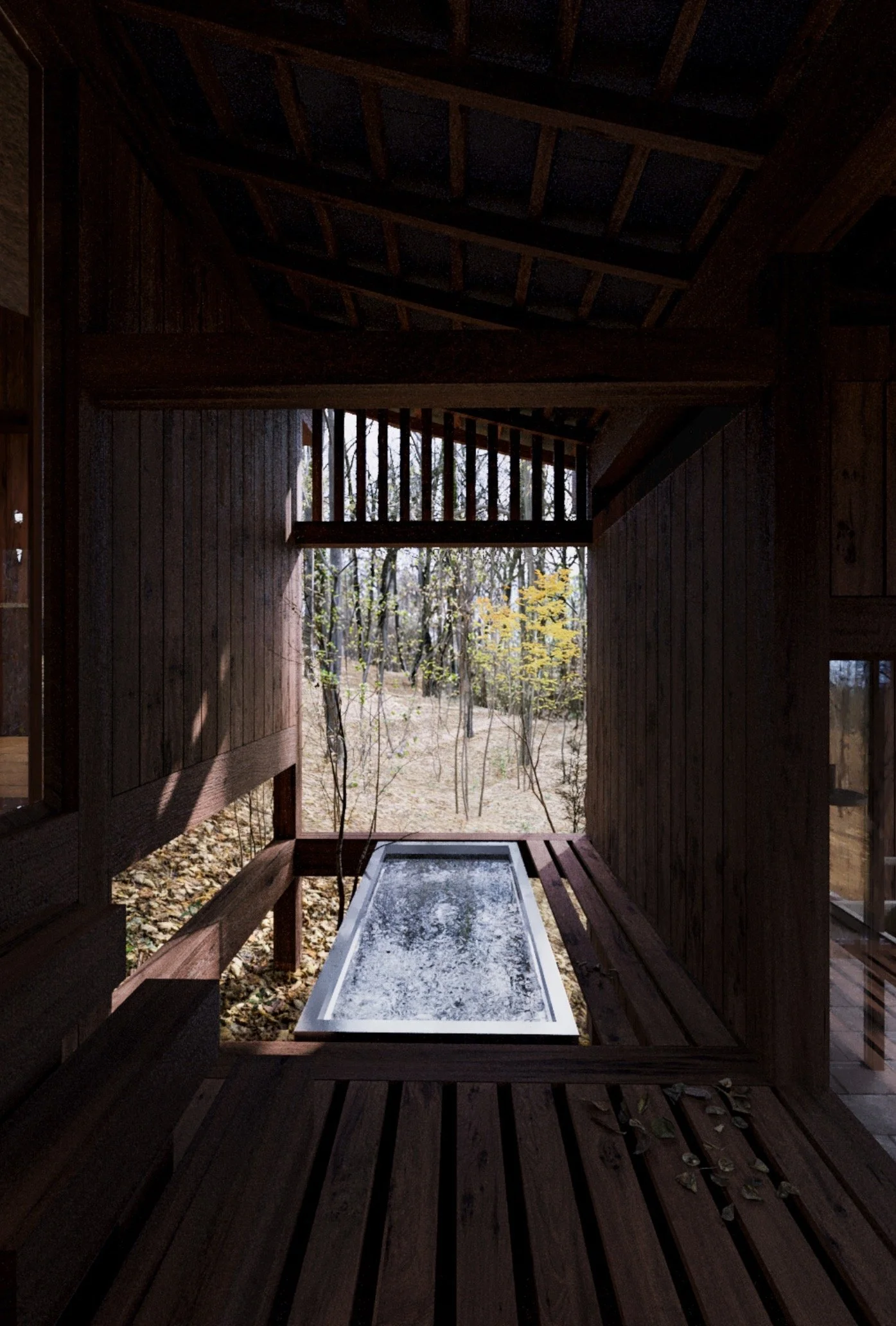
He and his team came up with a term: ambient hospitality. The smell of cedar and ferns. A hidden sauna and bathhouse with traditional hot and cold treatment. Water moving somewhere nearby wherever you walk. Something to make guests forget their phones exist when they arrive.
finding gold mines
What followed has been three years of patient planning, and a series of discoveries I’d attribute less to luck and more to the natural consequences of someone obsessed, and with a special kind of gift for seeing potential.
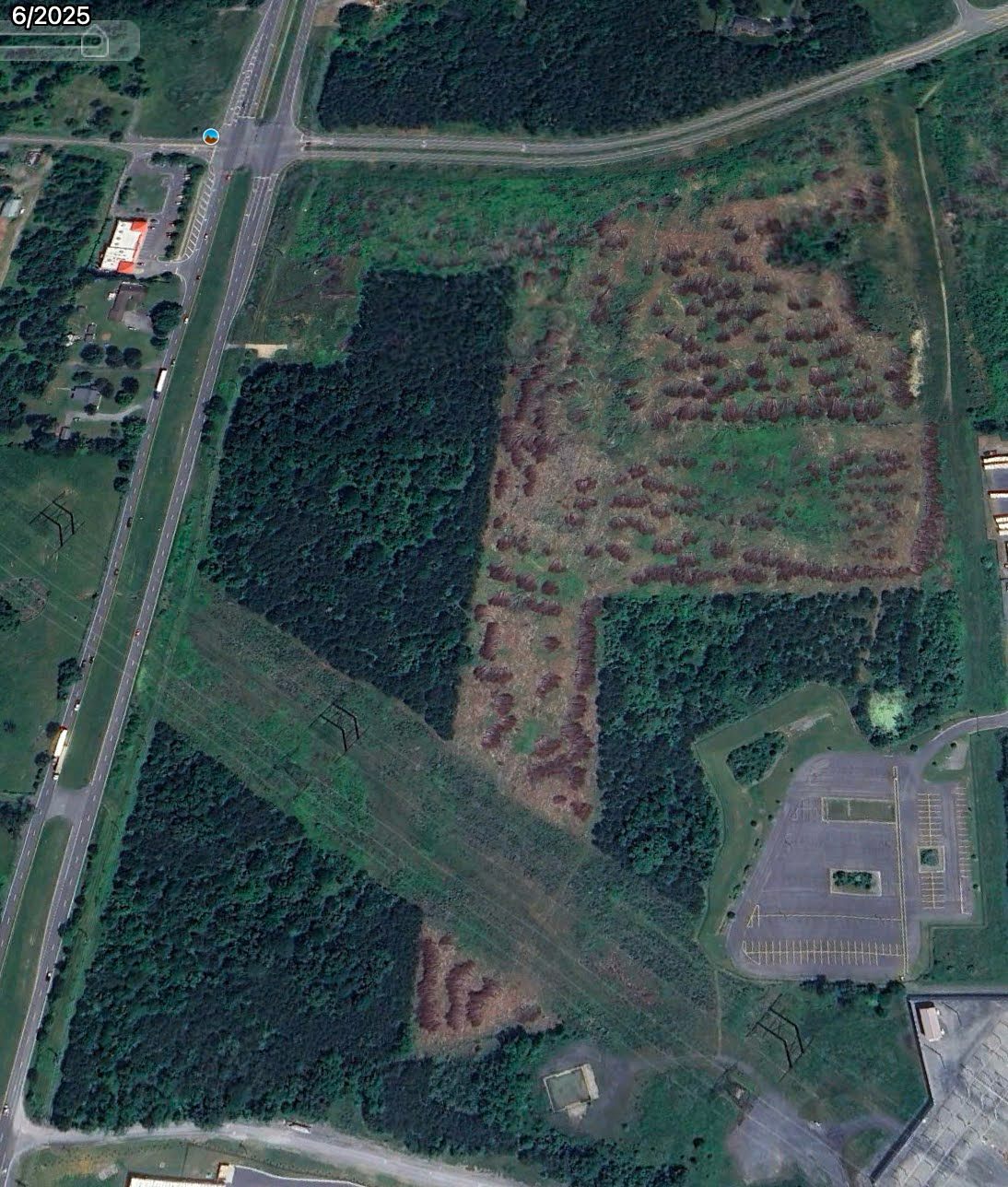
Remo found out about a ninety-acre cedar forest an hour away that had been clear-cut for a data center. For six months, he tried every avenue to reach the owners: talking with past employees, handwriting letters, emails, all of it. Finally he got through. He brought his sawmill-owner friend to look at the logs. They’d found exactly what he thought.
He could have as much as he wanted. Completely free.
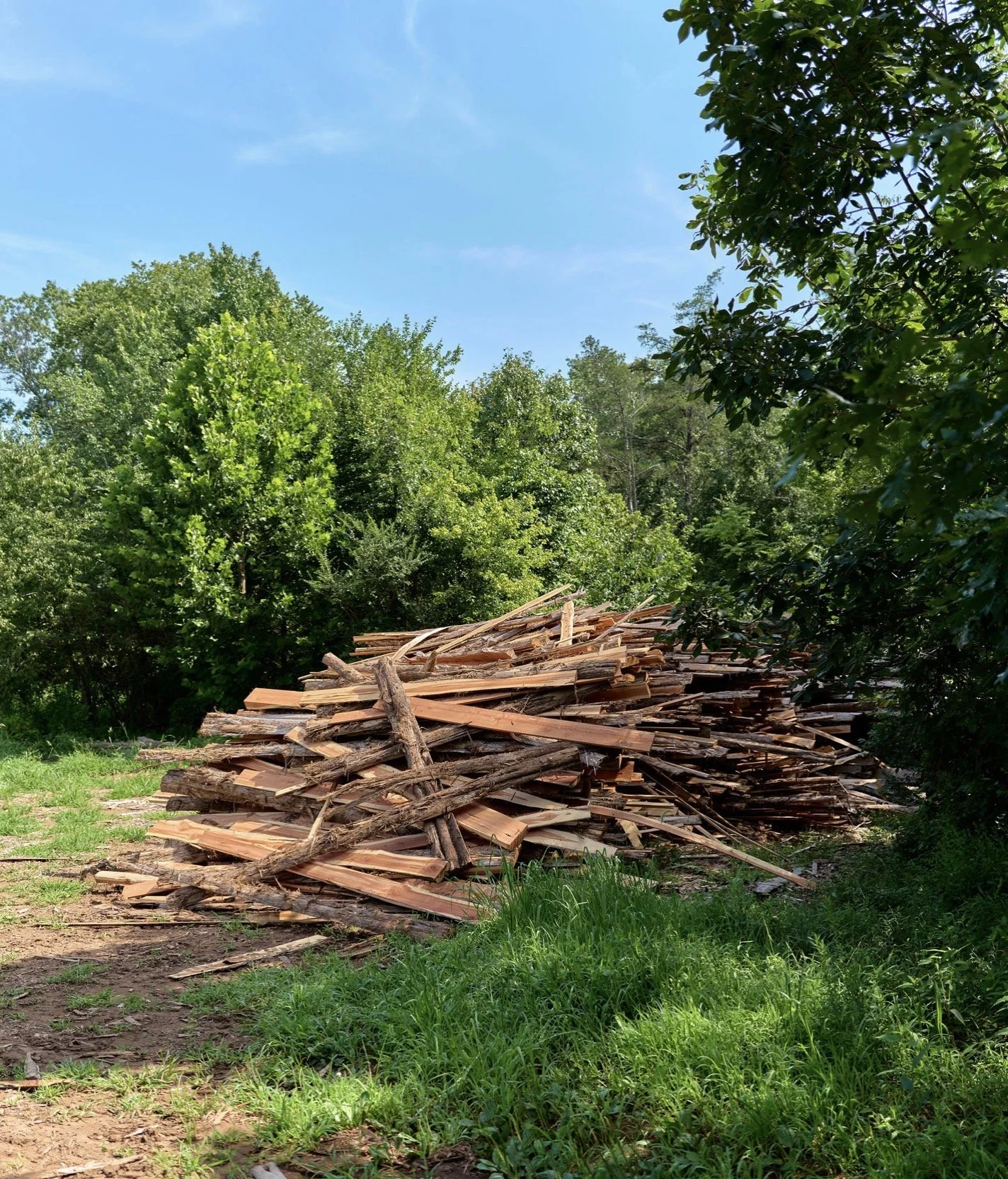
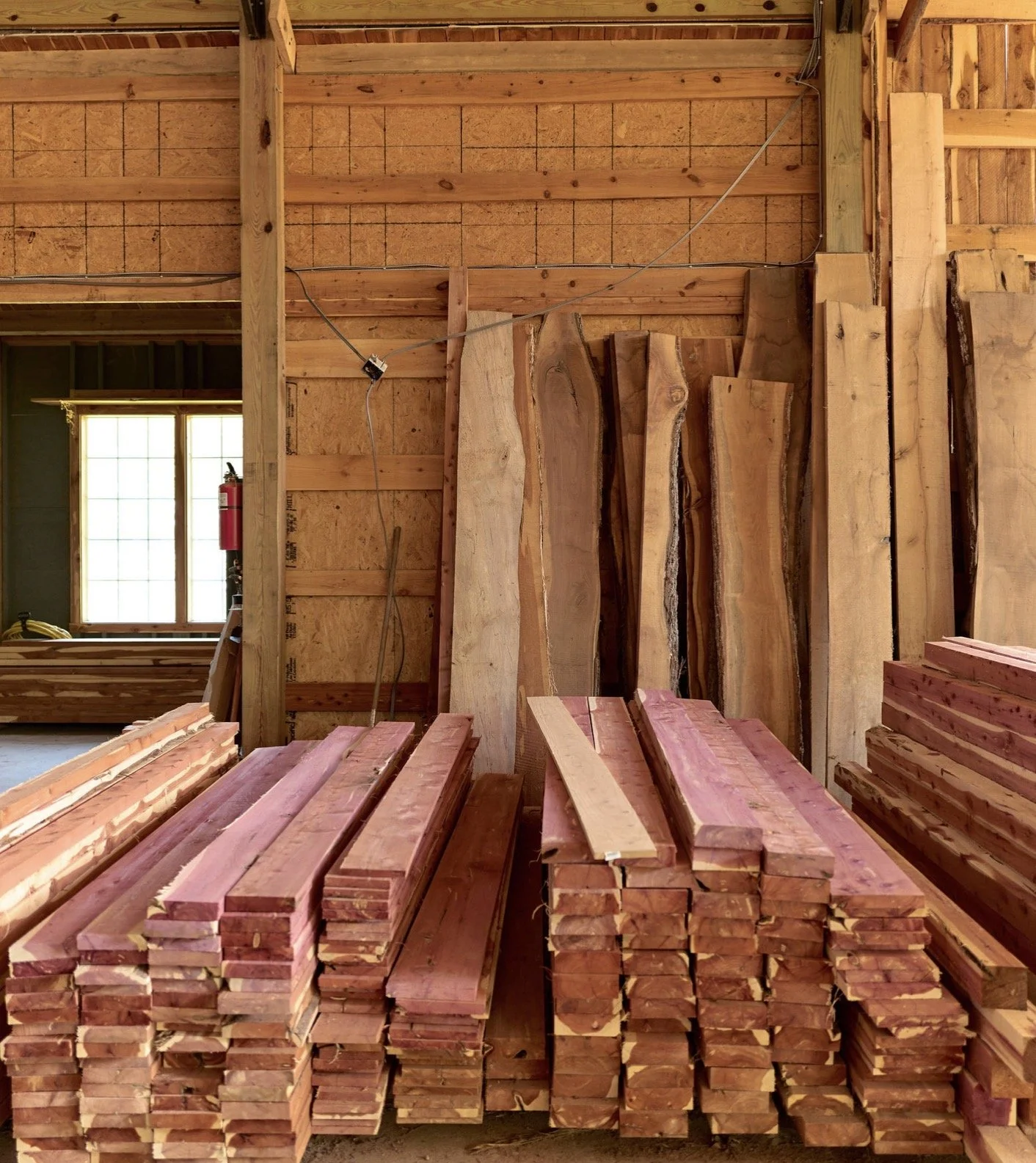
The cabins Remo is building are mostly cedar and stone. They need around four hundred trees for each one, as it is used for posts, beams, cabinets, cladding, decking, steps, path lights, and more. Retail price would be north of $40,000 in lumber cost alone per cabin. All of it is his, at the cost of milling.
Then there’s the soapstone.
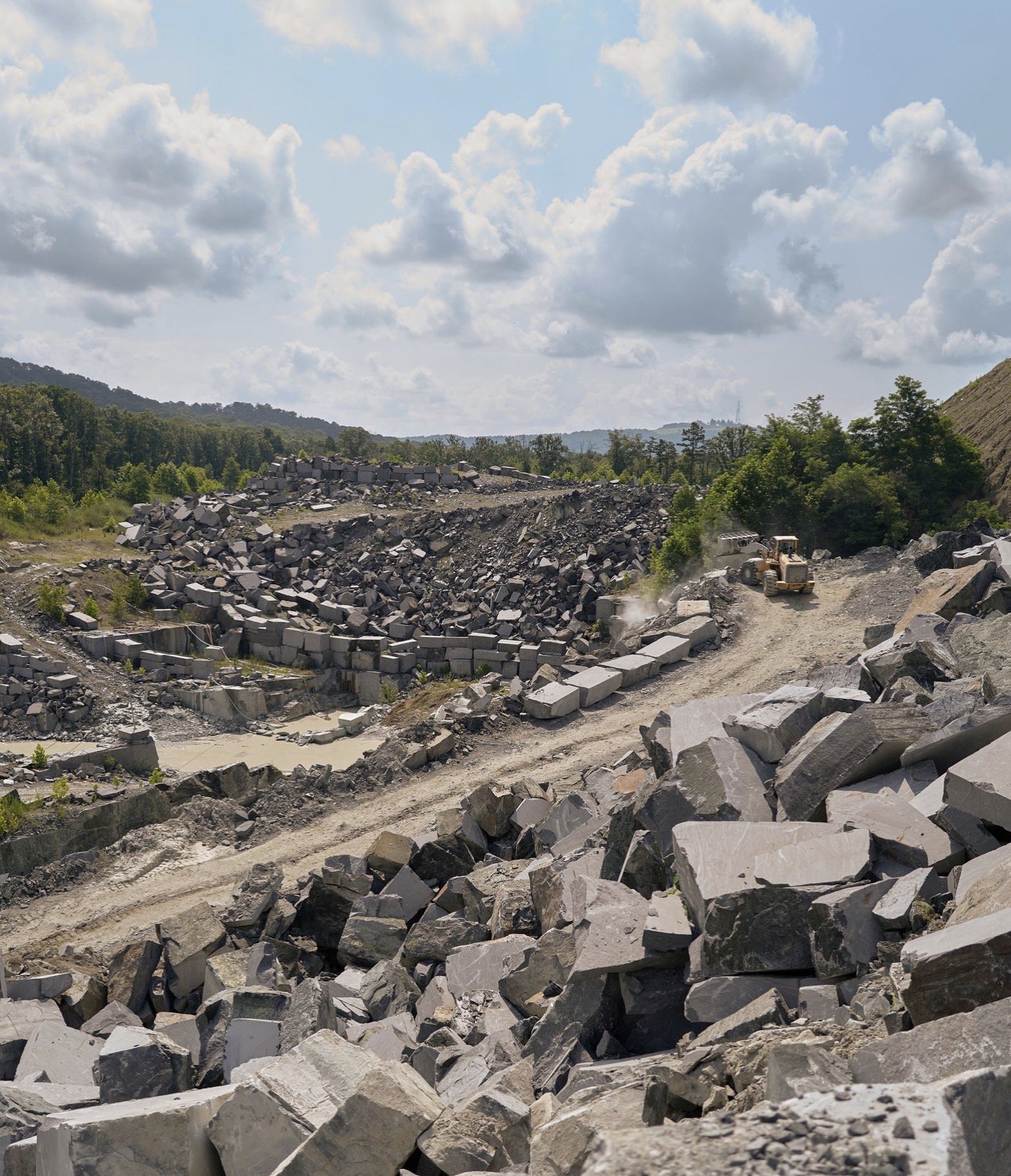
Just a few miles down the road, Remo found the last active soapstone quarry in the country, on the brink of closure. He befriended the owners. Now he’s buying “scraps” of spectacular stone to make flooring, cabinet pulls, custom designed wood stoves, sinks, countertops, furniture — for pennies on the dollar.
the architect
In all of his rigorous research (I’ve never seen anything like it), Remo stumbled onto a world-famous but somewhat reclusive Swiss architect whose work instantly struck something deep inside. Leopold Banchini. No mutual connections, no introduction, no in.
So Remo wrote the perfect email.
He referenced Doah House. He laid out his vision for the new project. He made it impossible to ignore. And the guy responded. Then he flew from Europe to walk the site with Remo — the first American project he’d ever seriously considered. He was in.
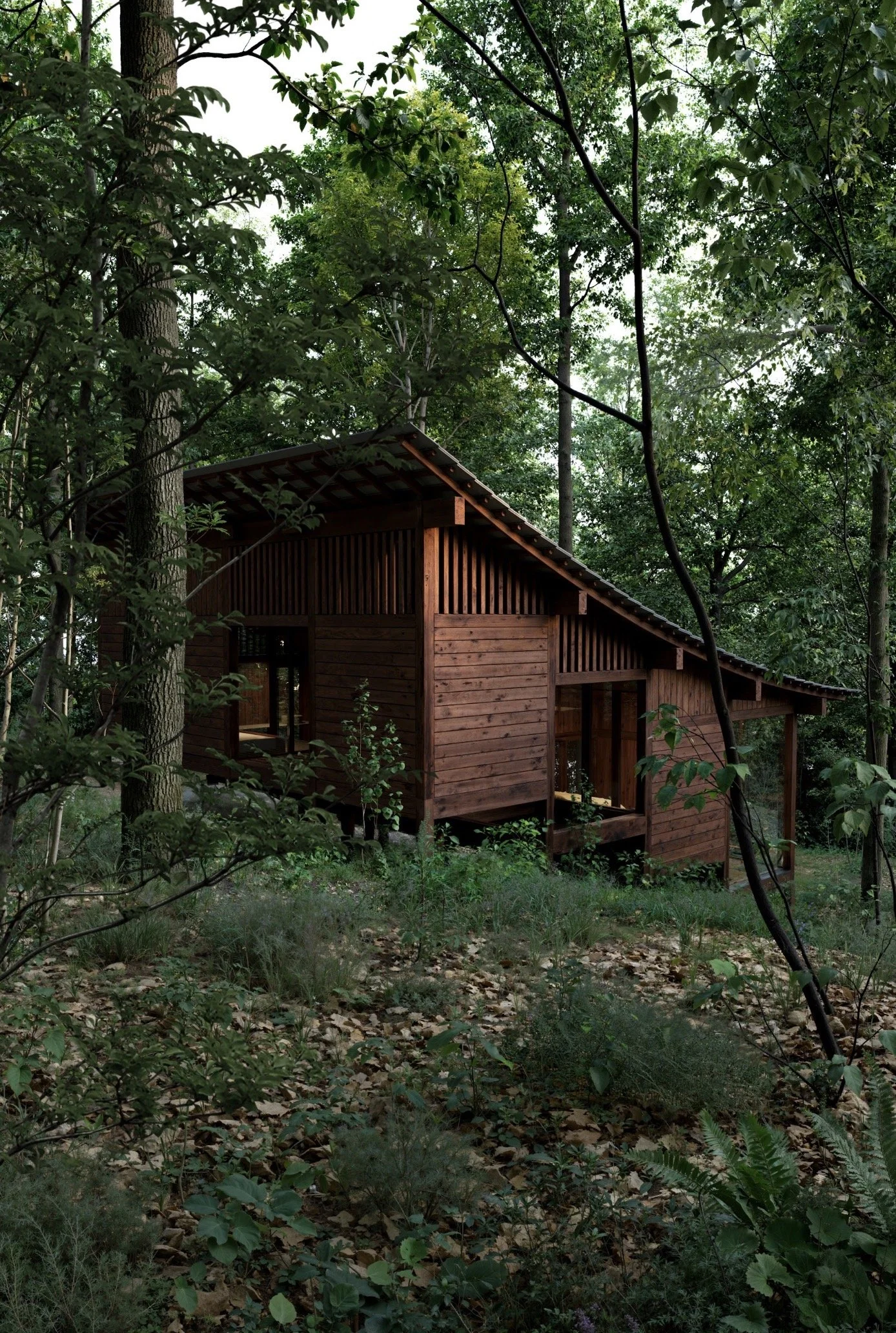
And the designs they’ve come up with are unlike anything I’ve seen in this space. Completely rooted in the land, made almost entirely from materials sourced within a few miles of the site, and built to last and look great a very long time.
taste, patience, & never giving up
I got to spend a few hours at the Nook with Remo looking over his project this weekend. I’ve seen enough projects of this type to know when something is different.
Project is the wrong word for what Remo is doing.
The patience and diligence required to pull this off without compromise is rare. What he’s doing is creating a work of fine art, right there in the rugged mountains of Shenandoah. Art not just as the “product,” but the process. Every little thing done the right way.
I don't know that I deserved to play even a small part in this story. But it's exactly the kind of thing I hoped might happen when I started sharing my own work four years ago.
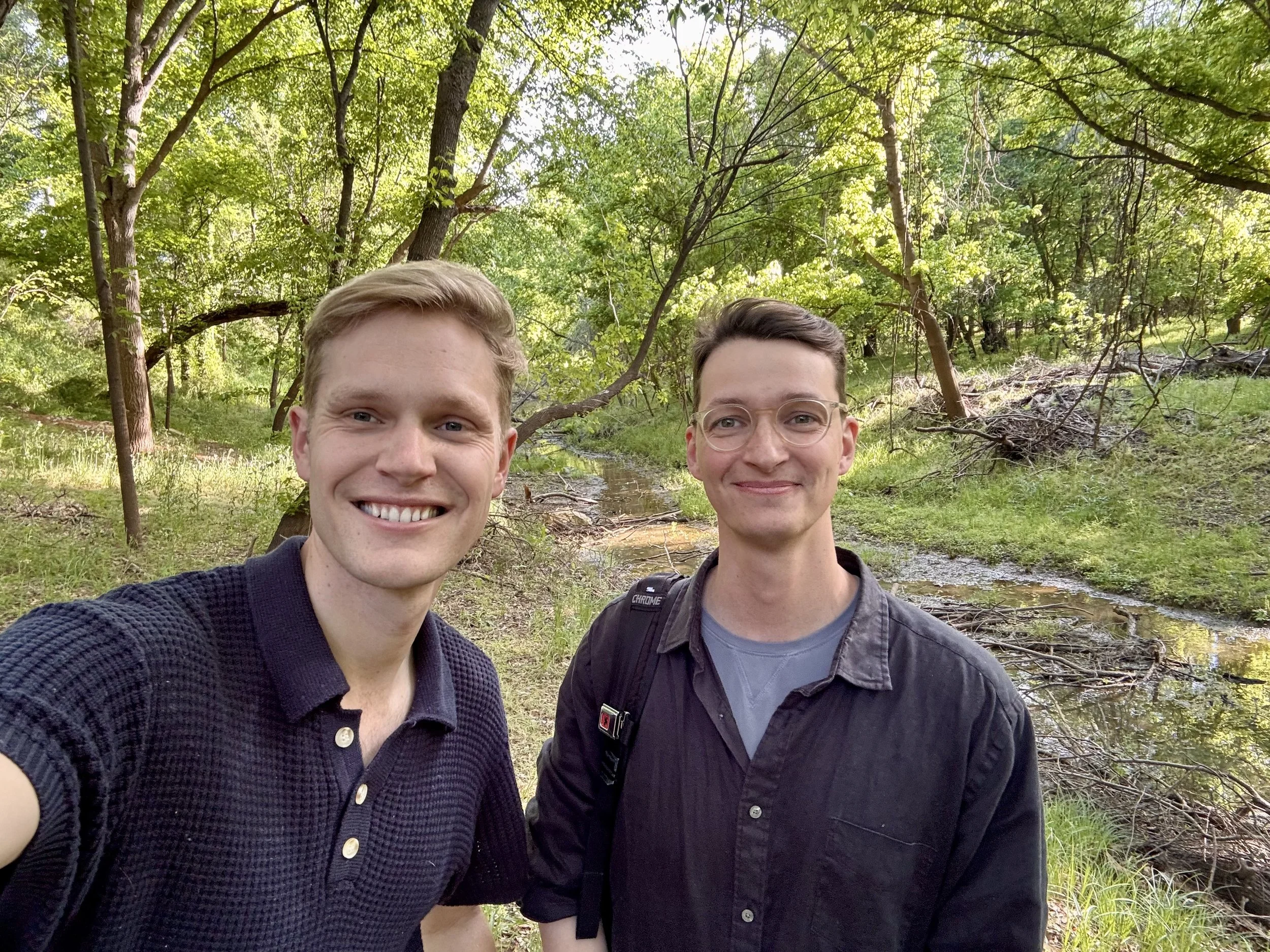
Follow Remo. You'll want to watch this one unfold.
-isaac
credits:
doah house architect patrick farley
doah house photos by @ethanhickerson & @sunshinesolimen & @ryanpatterson
doah photos by @rossgerhold
doah renders by @analog1.eu, design by @leopoldbanchini