Why Tesla Might Save Small Towns
We just unveiled a brand-new, 4-stall Tesla supercharger that we built in a small parking lot next door to The Pie Safe - our family’s artisan bakery in the tiny town of Deary, Idaho.
As far as I know, this is only the third privately-owned supercharger to open since Tesla announced this initiative a couple months ago. It feels like a smart way for them to expand an already robust charging network into more rural areas - a franchise-type of partnership with small, local businesses.
I can’t go into the numbers because of an NDA, but they’re fair in my opinion. If things go as planned, this should pay for itself in 5-6 years, plus bring an entirely new lane of traffic (literally!) to our tiny little town that sits two hours from the nearest major city, airport, or interstate.
When I made the post on X yesterday announcing the new charger, I was surprised by how strong the response was. And pondering all of this, along with my long-time obsession with the idea of restoring Rural America and creating beautiful places where people want to be, I’ve had some thoughts.
—
In the 1950s, gas stations accidentally became social infrastructure. They weren’t designed to be meaningful, but they were unavoidable. Diners, motels, and roadside towns all piggybacked on that gravity.
Then the interstate system arrived, and we began optimizing everything. Small towns were bypassed. Food became fast, franchised, and placeless. Stopping became something to minimize.
I genuinely despise over-optimization.
It leads to commoditization - not just of gas stations, food, and small towns, but of hospitality, community (do we even know what that means anymore?), and life itself.
Most of you no doubt know my rallying cries by now.
Less but better.
Story over scale.
Care as a competitive advantage. And on and on.
I believe rural America - really, rural places everywhere - is a goldmine of opportunity if we approached it with humility, patience, and taste.
So here’s the thought: EV charging changes the rules.
Unlike gas stations, charging reintroduces time into travel. And as I’ve said before, services are about time well saved. Experiences are about time well spent.
The supercharger network is a powerful force. It is reconnecting the drivable world much like gas stations once did. But this time, we have a choice.
We can pave it over with concrete pads, vending machines, and urban, modern sameness. Just “infrastructure.”
Or we can treat these stops as a new kind of modern roadside commons - local, rooted in landscape and history, and shaped by the character and personalities of the place they serve.
Little, unique oases. Not just the chargers themselves, but the towns around them.
Both should be beautiful.
In fact, I believe we have an opportunity to reframe “charging stops” entirely. To craft holistic “destination charger” ecosystems where the charger is just one component alongside food, lodging, and other locally-rooted amenities.
In Deary, this means world-class pie, my mom’s charming quilt & craft shop, a restored train depot boutique hotel, a creamery, butcher shop, and other historic buildings and spaces brought back to life. A whole little world we’ve been reimagining and carefully restoring over the past nine years.
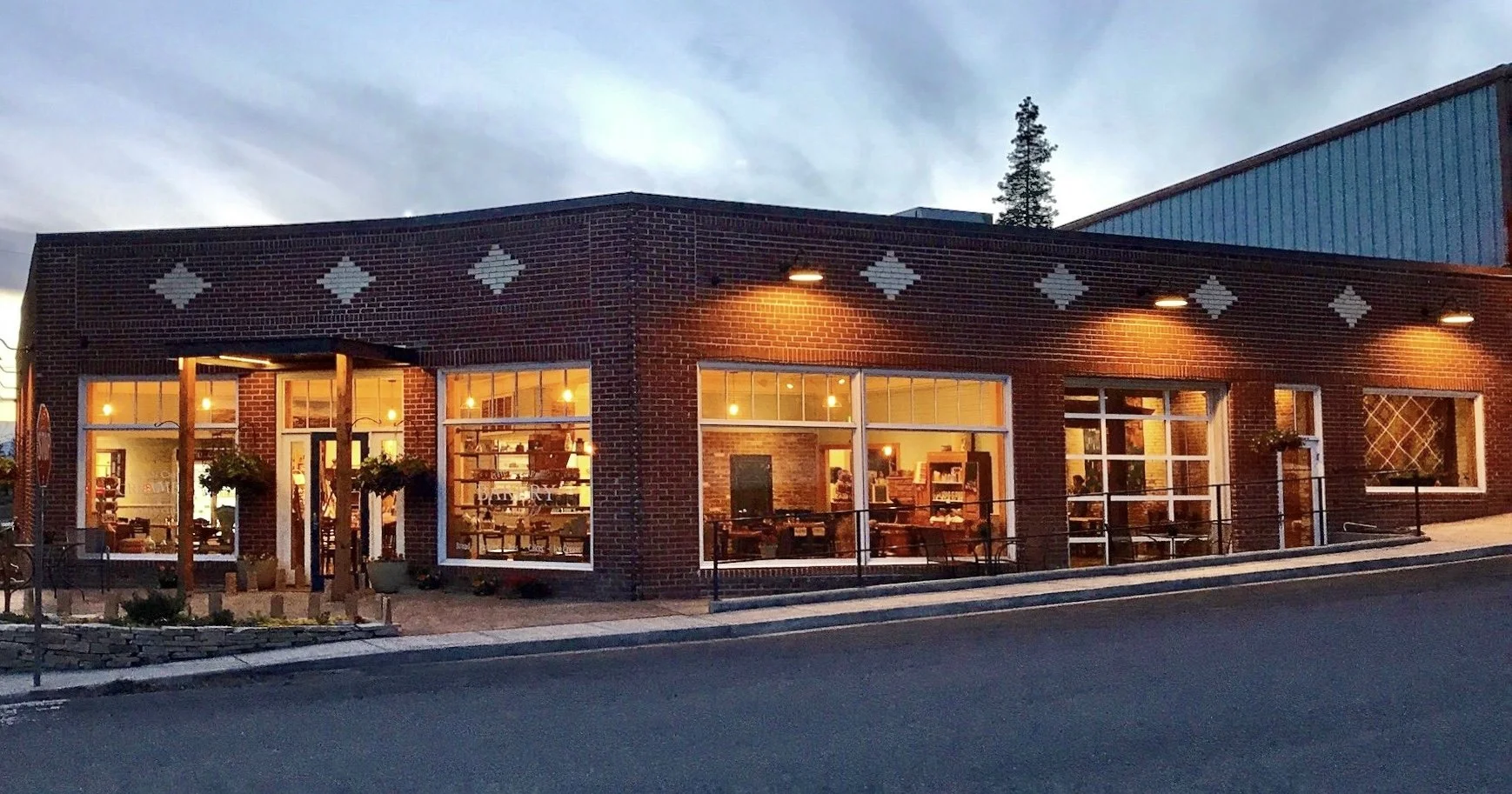
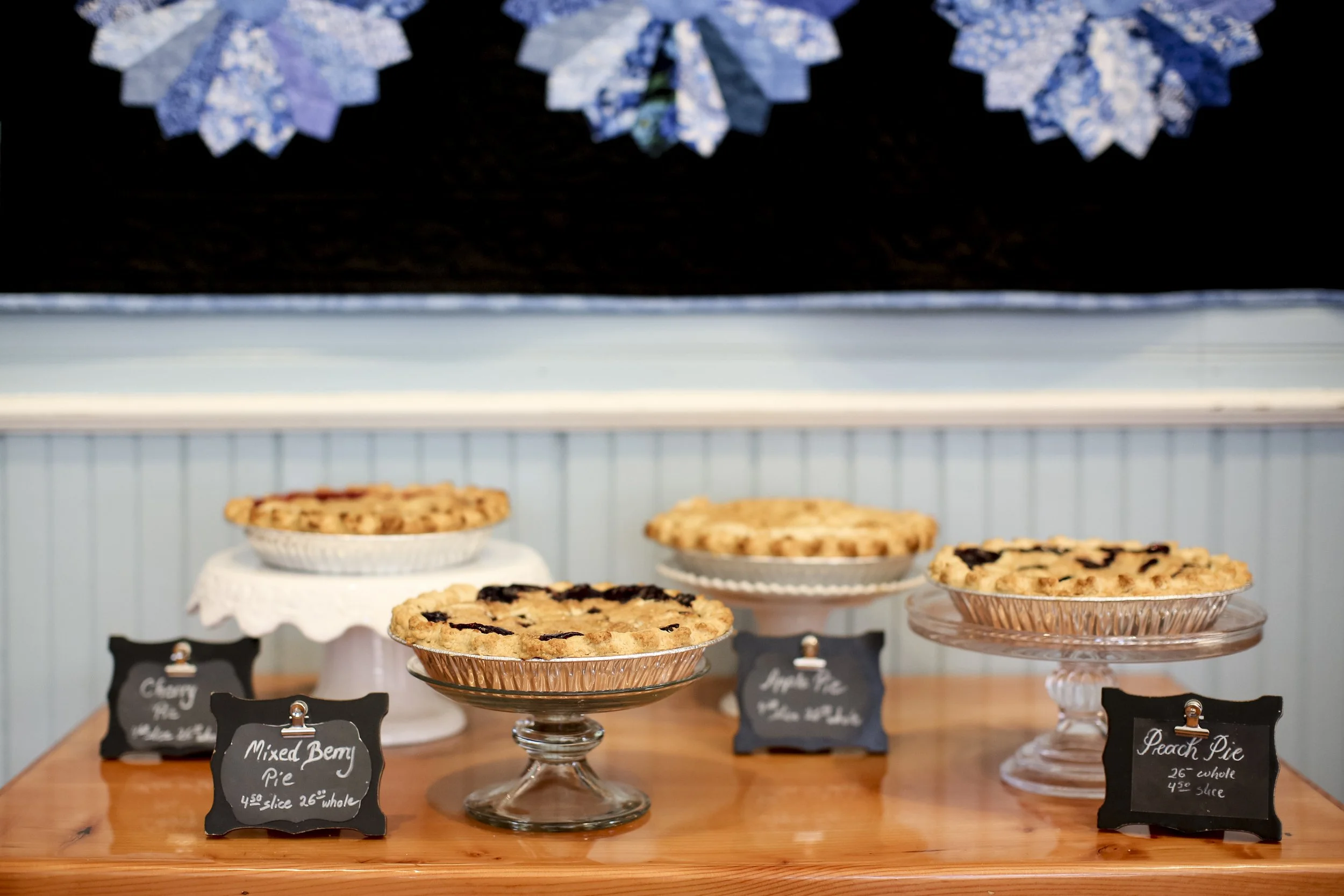
And this supercharger is a magnificent new source of patrons who will truly appreciate it. Yes, it’s as much a destination as it is a means for drivers in this case. Actually more. It’s in the middle of nowhere haha!
Deary is becoming a town that wants to be stopped in. That wants to be travelled to - not just through.
And there are thousands more (that could be) like it. I want to do it all across this country and world. Wouldn’t that be cool?
These aren’t “projects.” They’re about re-stitching the American landscape together at a human scale. It’s regenerative work.
Respectful of history, yet oriented toward the future.
So paradoxically, cutting-edge technology could help slow us down, reconnect, and rediscover the soul of the countryside and rural America. Of local communities that once again buzz.
What do you think? Am I crazy?
—Isaac
P.S. If you enjoyed today’s letter, please consider forwarding to a friend. That’s how this movement grows. Thank you!!
What do you think? Am I crazy?
—Isaac
P.S. If you enjoyed today’s letter, please consider forwarding to a friend. That’s how this movement grows. Thank you!!