The Price of Saving a Train Car, a Depot, and a Caboose
The snow fell silently one Saturday afternoon in December, nothing to do but keep the wood stove stoked. Then my dad’s phone rang.
On the other end was our neighbor Loyal, a ninety-year-old farmer with a slight frame, snowy white hair, and icy blue eyes. He lived alone on several hundred acres he’d been farming for more than fifty years.
One of his barns was threatening to collapse under the snow. Could one of us come help? Without a second thought, my dad suited up and drove over.
A few hours later, the roof cleared, he noticed another structure nearby: a long, open-sided shed sheltering something peculiar - a battered, sixty-one foot wooden rail car, only barely recognizable to the discerning eye.
My grandpa Lynn is a devoted student of trains, and my dad had grown up around them. He’s always possessed a keen interest in history and a sharp recognition of opportunity in things others might dismiss.
As he approached, history didn’t greet him. The smell did. Twenty feral cats had turned the dilapidated car into their kingdom.
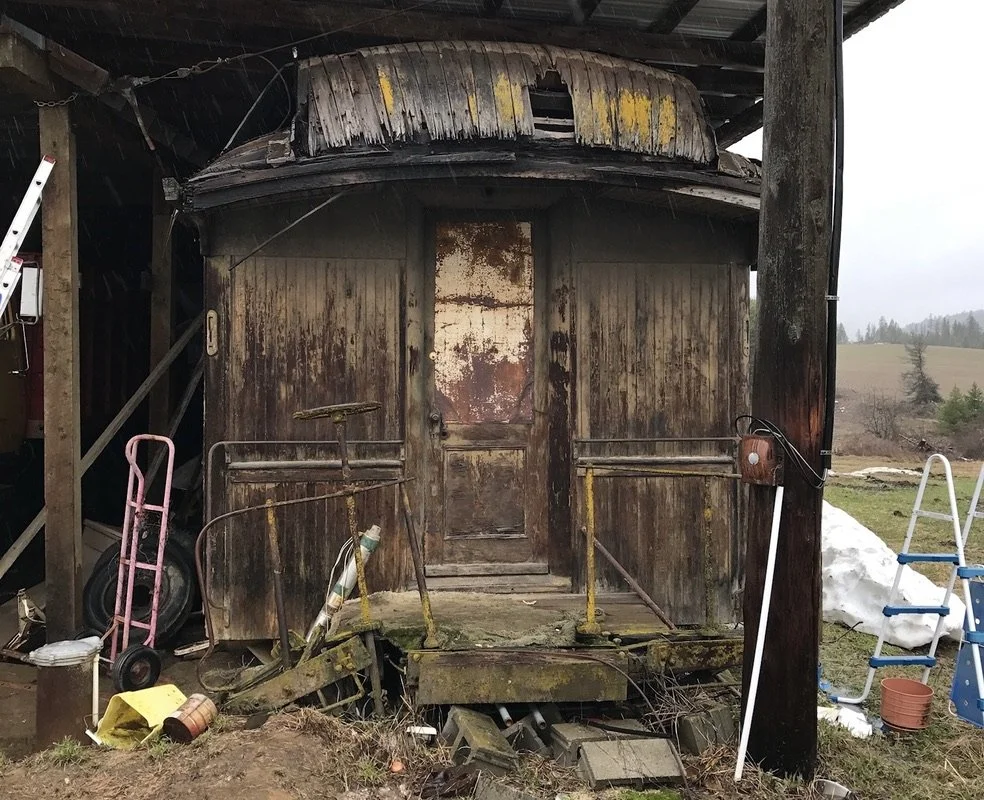
He stepped inside, plugged his nose, and slowly took it all in. The interior wasn’t much better. But half an hour later, he found the clue. In the gable at the end of the passenger section, beside the broken clerestory windows, faint paint flakes of three numbers:
3 0 6
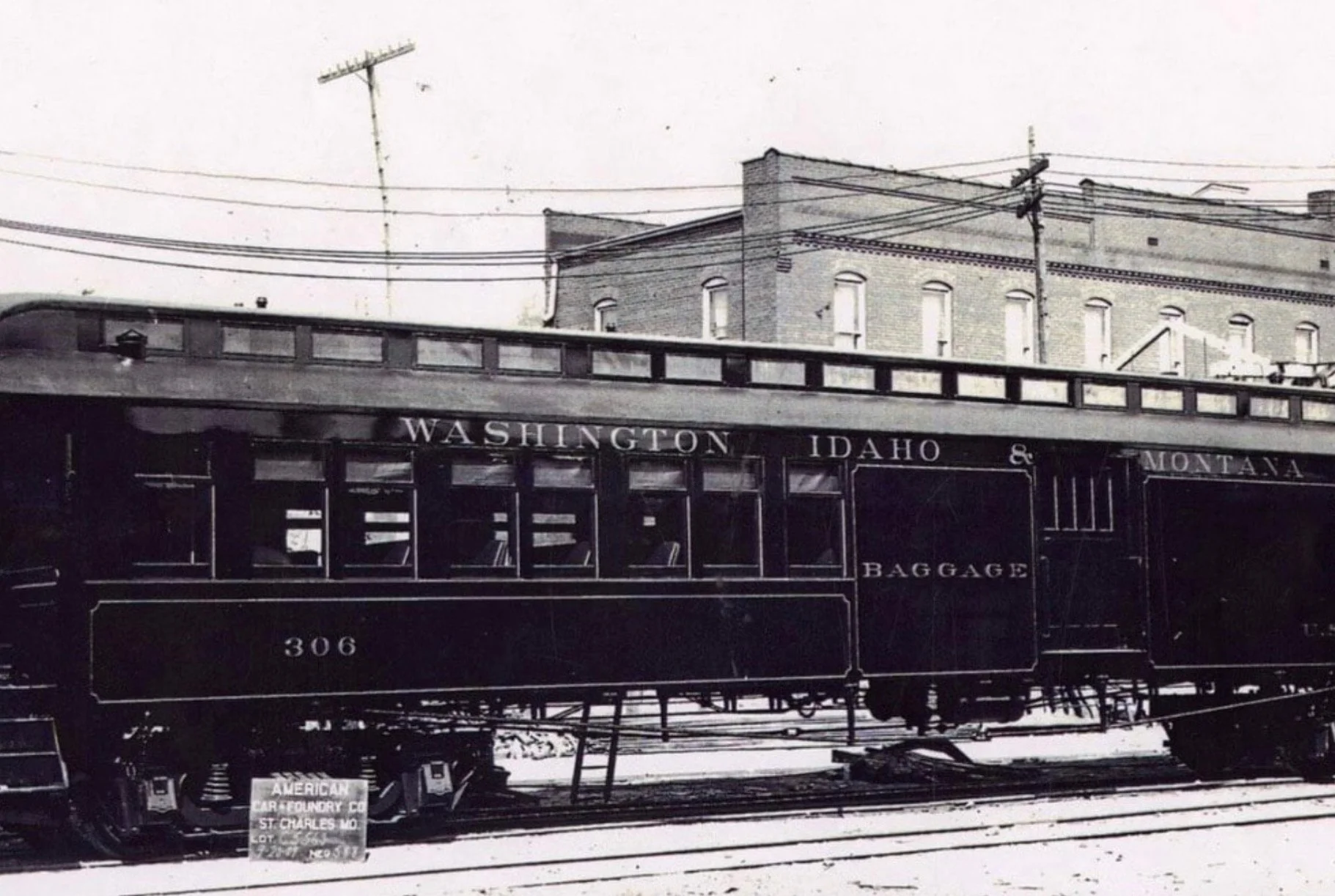
My dad had read the local train histories. He knew what this was. This was Washington, Idaho & Montana Railway Car 306.
Everyone else had assumed it had been destroyed. Someone had even claimed they’d seen it cut in two and buried half a century prior.
But it was still alive, in hiding - just a few miles from our home.
After some digging, we found a photograph taken the day the car rolled out of the American Car & Foundry Company in St. Charles, Missouri, 1906. The WI&M had purchased Car 306 new. It was what railroad men called a combination car, built to carry passengers, freight, and mail at the same time.
In those days, timber was the heartbeat of the region’s economy, the reason this area was settled in the first place. Railroads were the arteries, carrying timber out and bringing workers, families, food and supplies in.
When the railroad pulled up its tracks in the 1950s, the previous owner of Loyal’s farm bought it for scrap and somehow managed to drag it ten miles to his property, using it to store grain and feed hay to his cattle.
Trying to contain his excitement, my dad offered to get it off the farmer’s hands on the spot. Loyal seemed a little perplexed that anyone would want such an enormous, impractical eyesore. But he was grateful for the snow-shoveling help.
They shook hands, and my dad wrote a check for the asking price: $3,000.
It took two years and more than a few dead ends to find someone with the guts to attempt to move it.
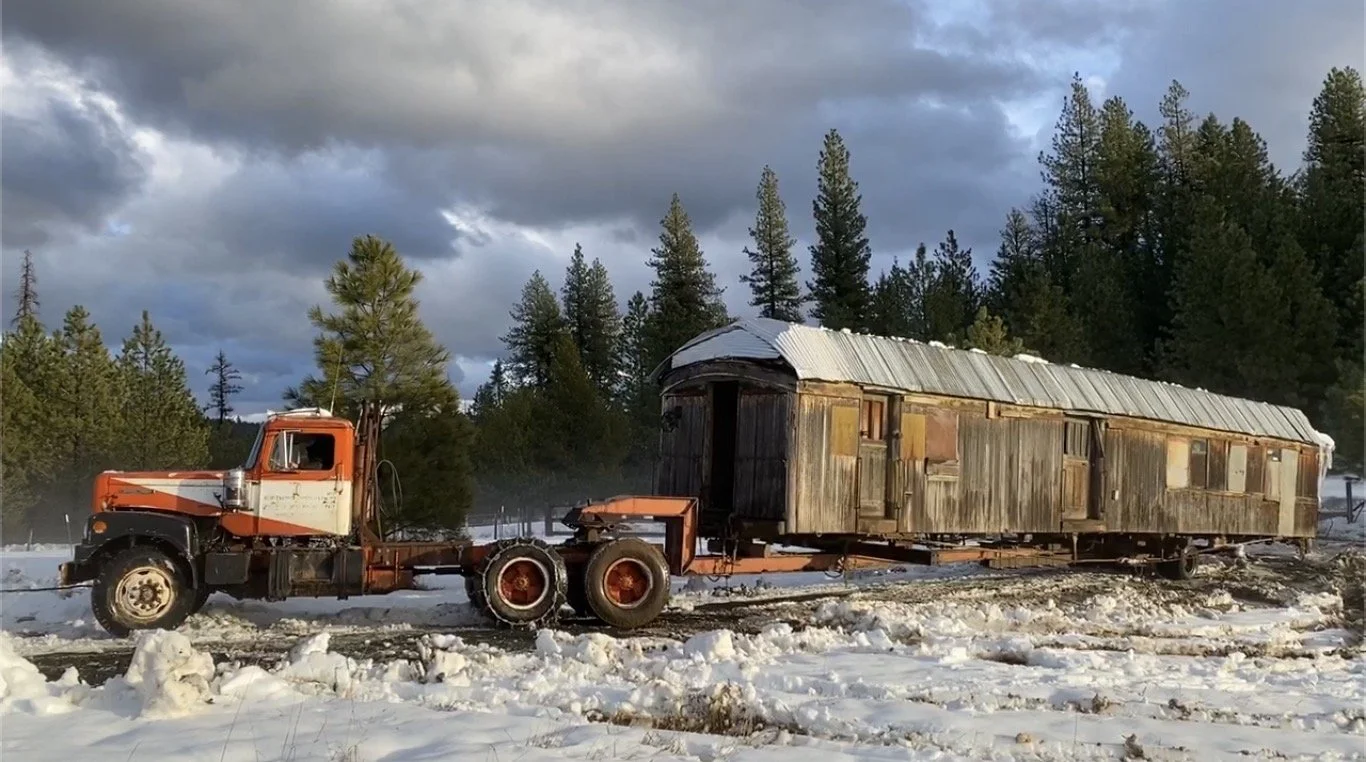
I was in Texas when they began inching Car 306 out from beneath the rickety shed that had protected it for half a century. On a cold and drizzly day in February 2020, a semi truck (nearly as old as the train car) hooked onto the trailer beneath it and began chugging.
All 110,000 pounds of steel and wood groaned under the strain, then slowly, began to move. Its long nap had finally ended.
For three hours, Car 306 crawled behind the truck along icy, winding backcountry roads. One wrong move or broken beam could have ended the entire dream. On the final climb up the slippery hill on our property, a bulldozer pulled from the front to give that extra oomph the truck needed. And then, at the crest of the hill tucked into the edge of the trees, Car 306 completed its final journey.
But its new life had just begun.
My brothers and I had quietly suspected - some perhaps even secretly hoped (hi Gabe:) - that the move would never actually happen. Now it was all there, sitting on our place. It was time to go all-in.
Within weeks, the world shut down.
My friend Stephen found himself out of work, and I was ready for an adventure. We packed our bags and headed north, camping along the way at Grand Canyon and Zion, both nearly empty as lockdowns swept the country.
After driving through the final night, I slipped through the back door of my parents’ home in Idaho. My mom had no idea I was coming home. I’d been away in Texas for a long season, and the surprise was glorious.
Then my dad drove me over to see the car. I confess that I developed an immediate and rather sour attitude. It was wet and bone-chillingly cold, the car was in the middle of nowhere, a 20-minute drive from our warm house, and its condition appeared less than attractive. Part of me wanted to turn right around.
But another part of me knew better.
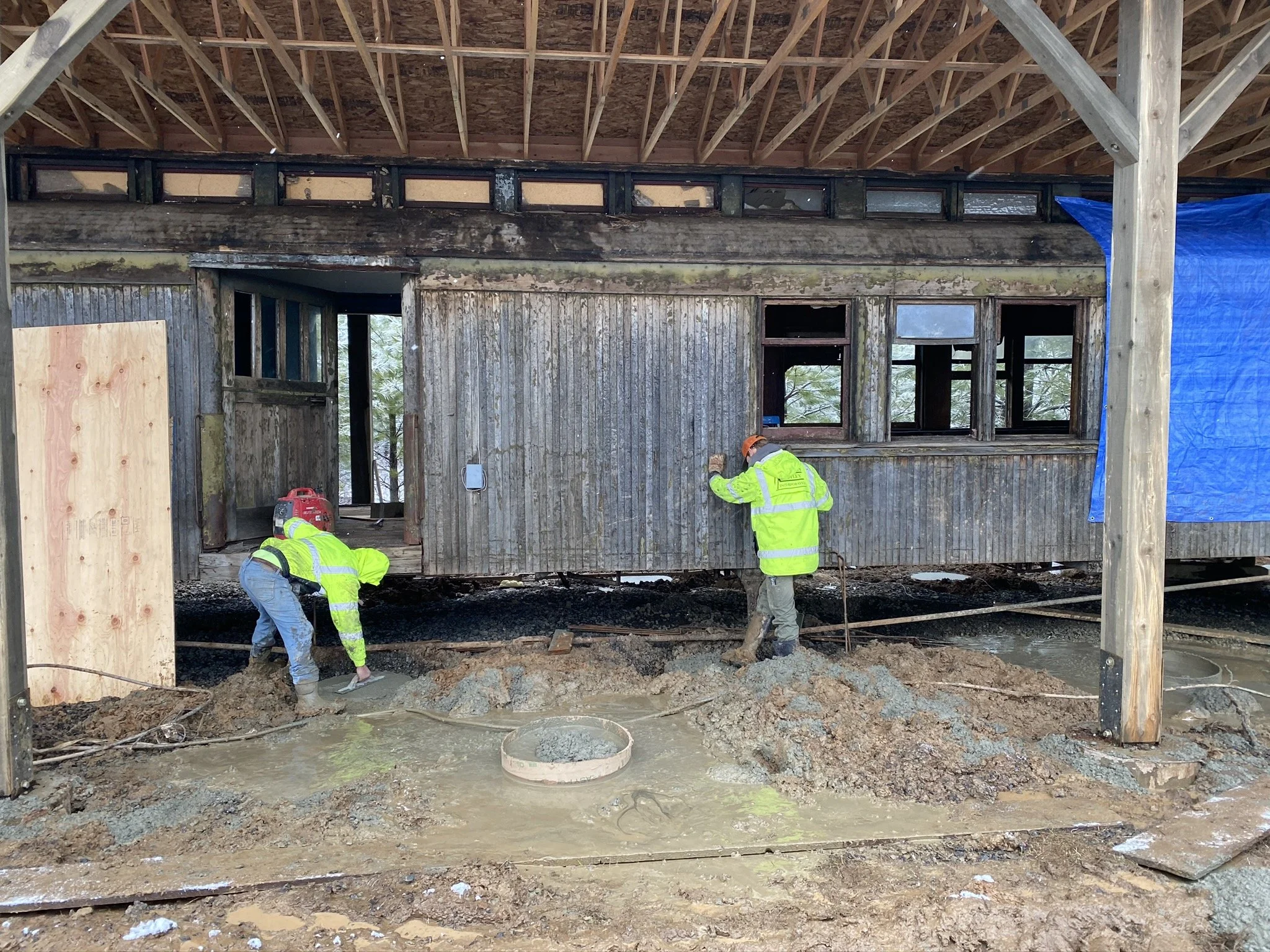
Beneath the decay, there was a sense of possibility I don’t think I’d yet experienced.
My brothers had already done one of the most important jobs, timber-framing a roof to get the fragile car out of the inclement weather. I’d sketched the structure back in Texas, borrowing its shape from traditional depot architecture.
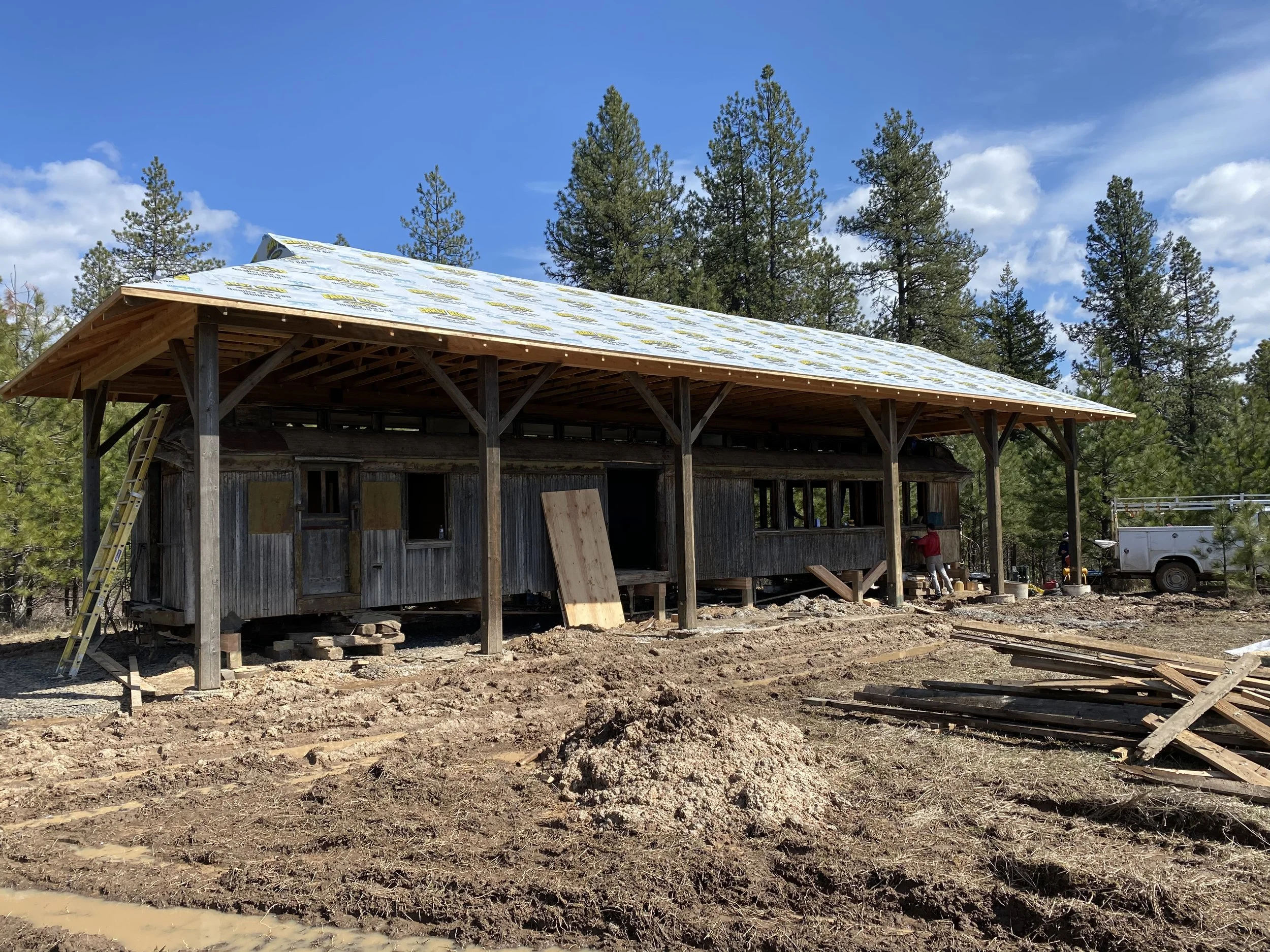
For the next six weeks, I worked on Car 306 night and day. It started to feel like an old friend.
As the snowy fields thawed into mud and then began showing the first shoots of green, we scraped and sanded every inch of the car, inside and out. I used epoxy to fill the rotten spots in the window sills, but miraculously almost all the wood was salvageable. That shed roof had saved its life.
A few weeks later, we painted her a rich forest-green.
We carefully refinished each surface, removed the windows, rebuilt the frames, and installed new glass. I soaked the brass hardware in acid and scrubbed it until it shone again.
My dad and brothers ran new plumbing and wiring. Our friend Joe hand-forged a copper chandelier to match the one visible in the original photographs. Gabe pulled strings with the small construction business so we could run materials on credit cards and a small operating line of credit.
My favorite detail was hand-painting the original gold lettering back on, placing every letter and number exactly where it had appeared 114 years earlier.
Slowly, the old combination car took on a new combination.
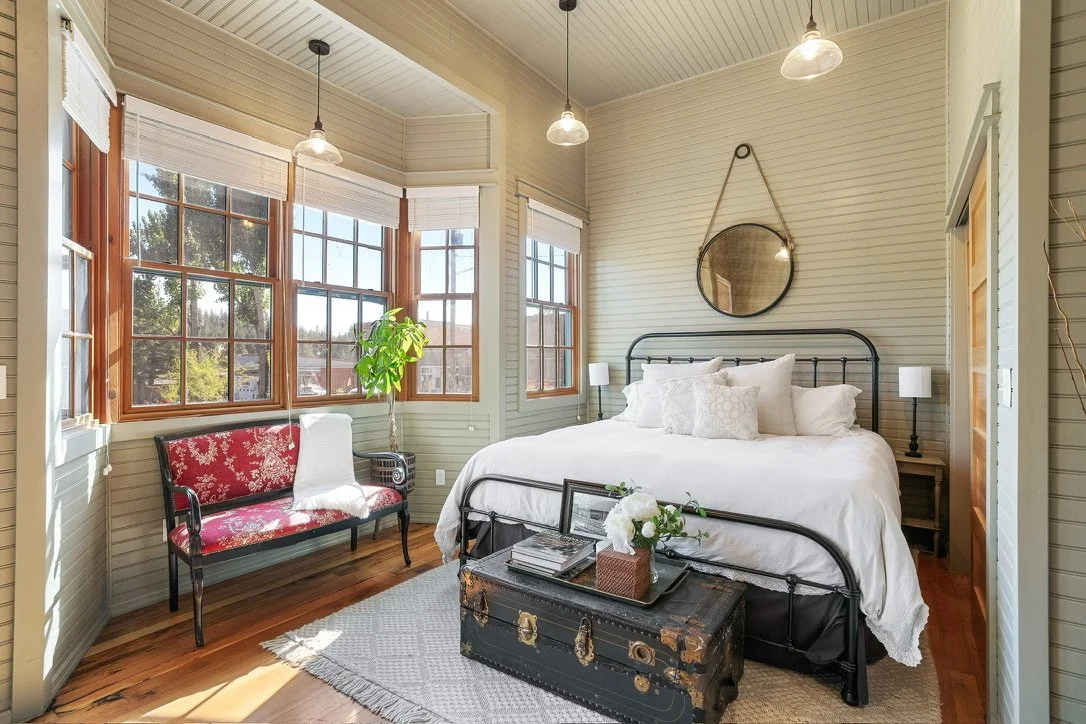
The mail compartment became the master bedroom.
The cargo area became a luxurious bathroom.
The passenger section became a reading lounge, complete with a gas-powered potbelly stove and a small kitchenette designed to disappear into the original woodwork.
My mom handpicked antique pieces from the local area and furnished every square foot in her warm, old-fashioned style.
Today, you can settle into one of the plush chairs with a book and stare out through the row of windows at miles of rolling hills and pine trees, just as passengers did when this car rode the rails a hundred years ago.
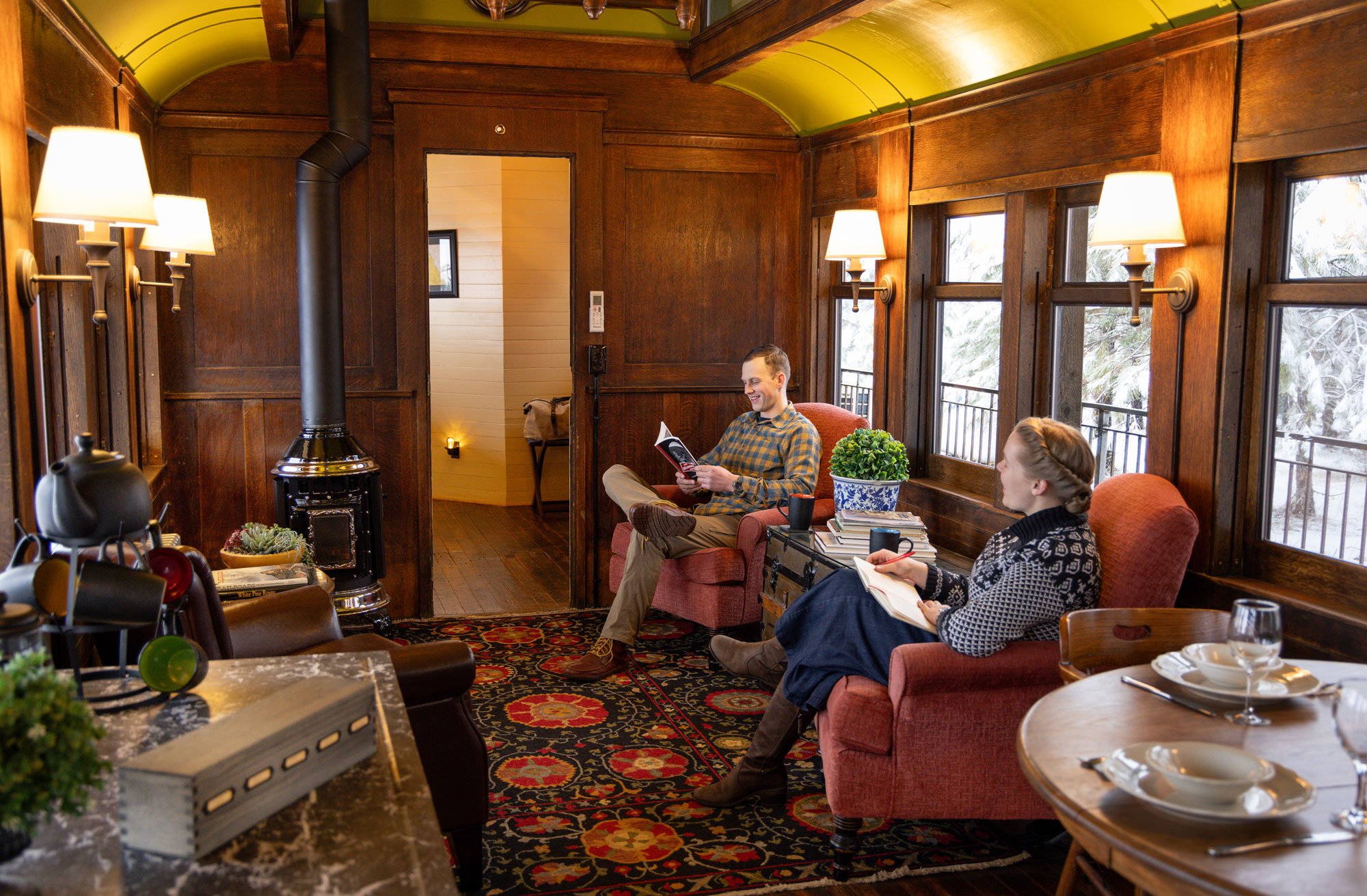
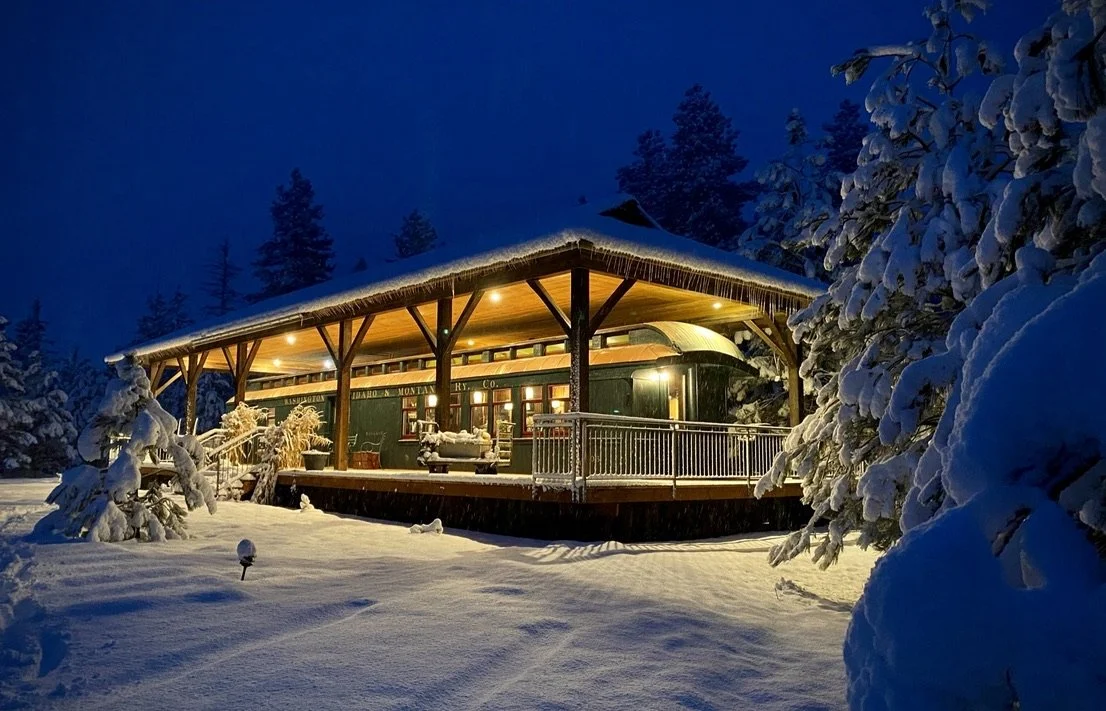
Five months after we began, Car 306 was finished. We’d spent $147,000 and brought every detail back to life.
We listed it on Airbnb, and bookings began pouring in from all around the country.
About a month later, another call came.
Just a few miles away in Deary (population 550), the old train depot came up for sale - the very one this car would have stopped at countless times. Someone had wrapped it in vinyl siding and a metal roof probably sometime in the 70s. Like the shed over the train car, the ugliness had preserved it.
We found a way to buy and restore it too, turning it into a two-unit stay with a train lounge and library for guests.
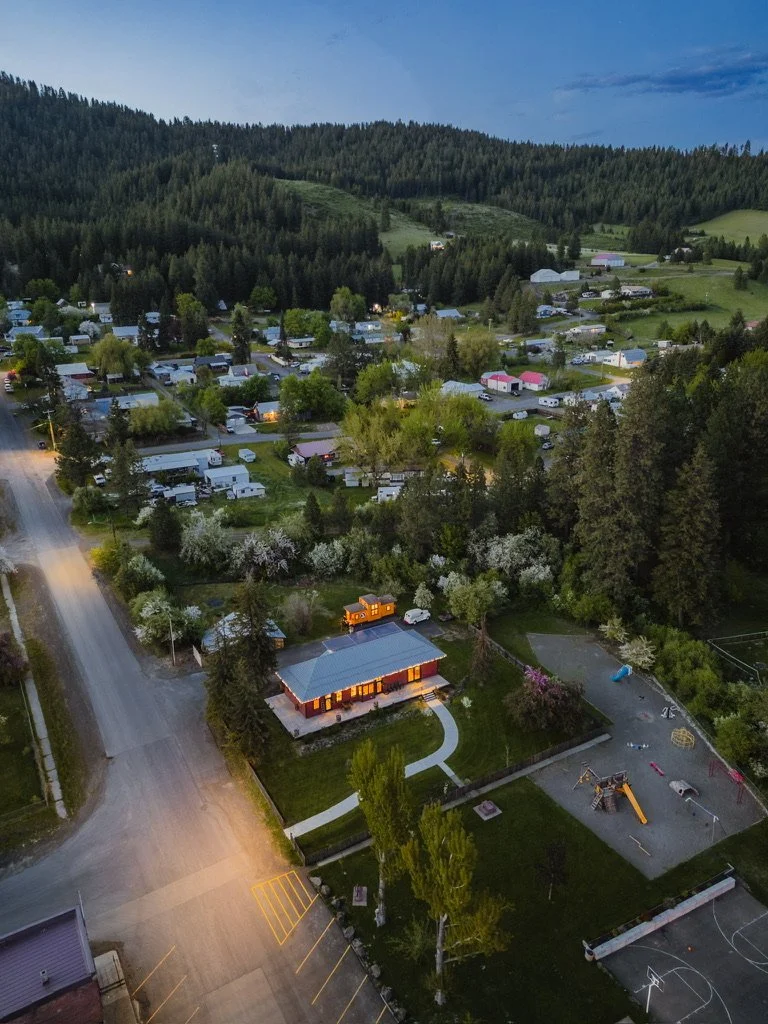
But there’s one last piece to the story.
While driving up north one spring day, my dad spotted an old yellow caboose on the side of the road. Of course, he pulled the car over.
The wooden body was badly rotted after decades under the rain and snow, and someone had been using it as a dog kennel. But its steel frame remained intact.
He bought it for $5,000, and we moved it to Deary beside the depot - a piece of cake after Car 306 - and spent a few more months bringing it back to life.
Almost a century after it was scattered, the railroad family was reunited. We’d saved a piece of history - three of them. Looking back, Car 306 was the birth of so much of what I believe is my life’s work: blending art, building, history, hospitality, and storytelling to create places that move people. The best part, though, was how it brought our family together. We’ve always been close, but Car 306 brought out each person’s unique gifts in a special way, and I’ll always remember those precious short months in the middle of a crazy, uncertain time.
And Loyal couldn’t be prouder. In fact, I ran into him at the bakery when I was in Deary a couple months ago, joking with his lifelong friends over coffee, their weekly 7am tradition.
His blue eyes were smiling.